
Moisture does not linger quietly in Atlanta. Heat, humidity, and frequent storms allow water to settle into walls, flooring, and framing long before damage is visible. That is why drying & dehumidification services are so important after leaks, flooding, or storm-related water intrusion. When moisture is left behind, it creates conditions that can lead to mold, odors, and long-term structural issues.
In neighborhoods like Decatur or Buckhead, older construction and layered building materials make hidden moisture a common concern. Water from pipe leaks, appliance failures, or storm damage can move beyond the original source and settle into spaces that standard fans or open windows cannot reach.
Georgia Water & Fire addresses this through controlled drying and verification, often working alongside emergency restoration services when timing matters, with the focus on restoring the structure to a stable moisture level before secondary damage develops.






In Atlanta’s climate, moisture rarely causes just one problem. Heat and humidity allow water left behind after a leak or flood to continue affecting a structure even after surfaces appear dry. Professional drying addresses what is happening beneath the surface, where moisture tends to linger and snowball into more serious issues later.
With proper drying, it changes how the rest of the restoration unfolds, such as:
Mold can begin developing within 24 to 48 hours when moisture remains trapped in building materials. Drying that combines moisture removal with controlled humidity helps close that window by addressing water inside walls, subfloors, and enclosed cavities before growth has a chance to begin, reducing the likelihood of needing residential mold remediation later.
Water intrusion can cause issues even before damage is obvious. Drywall can soften, wood may swell, and flooring can warp when moisture is not handled correctly. Structural drying services focus on stabilizing these materials early, often limiting how much needs to be repaired or replaced later.
Excess humidity and lingering moisture contribute to musty odors and poor indoor air quality. Controlled dehumidification helps restore balance by reducing the conditions that allow contaminants to persist, rather than simply masking their effects.
When drying is handled thoroughly from the start, the rest of the restoration process tends to move forward more smoothly. Verified moisture levels allow follow-up repairs to proceed without delays caused by hidden dampness or incomplete drying.
When water strikes, every hour counts. Don’t let a leak turn into a long-term mold problem—get the experts on-site today
Call our 24/7 emergency response team.
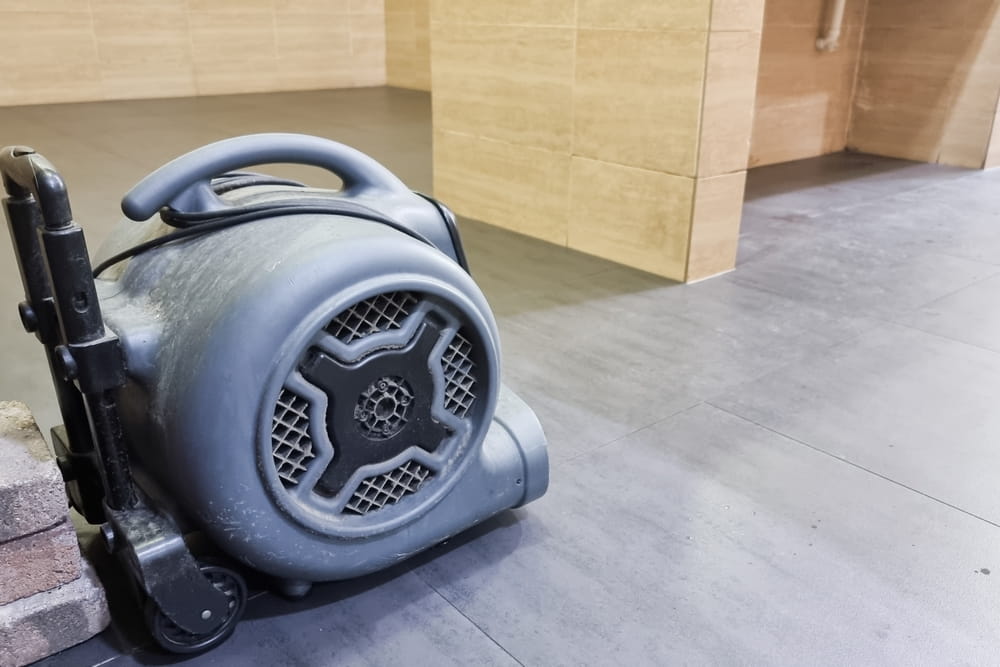
Effective dehumidification depends on matching equipment to how moisture is behaving inside the structure, not just bringing in standard fans and dehumidifiers. Georgia Water & Fire relies on commercial-grade systems designed to manage Atlanta’s humidity while protecting building materials during the drying process.
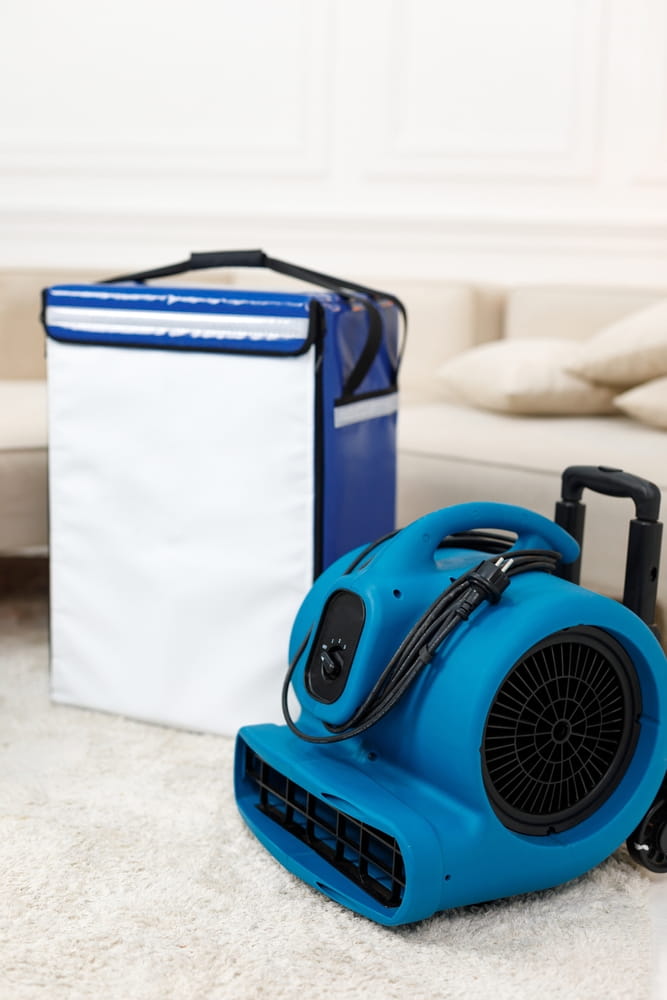
Dehumidifiers form the core of that setup, with refrigerant systems used in most residential situations and desiccant units applied when deeper or colder materials are involved. Air movers are positioned to guide airflow across wet surfaces, and moisture detection tools, including infrared imaging, help identify hidden water so drying efforts stay focused where they are needed.
Together, this equipment functions as a controlled system, allowing moisture to be removed steadily while indoor conditions remain balanced and measurable throughout the process.
Drying works best when it follows a clear path, especially when moisture is moving through materials in unpredictable ways. Georgia Water & Fire uses a step-by-step approach to water damage drying services, making adjustments along the way based on how moisture is responding inside the structure.
Our process starts with:
Drying starts with understanding where water has moved and how far it has traveled. Technicians use moisture meters and thermal imaging to locate moisture inside walls, floors, and ceilings, including areas that may not show obvious damage. This step helps ensure drying efforts focus on the areas that actually need attention before equipment is set up.
If standing water is present, it is removed first. Taking care of this early helps shorten the drying process and limits how much moisture spreads into nearby materials. It also reduces the chance of odors or additional damage developing as drying gets underway.
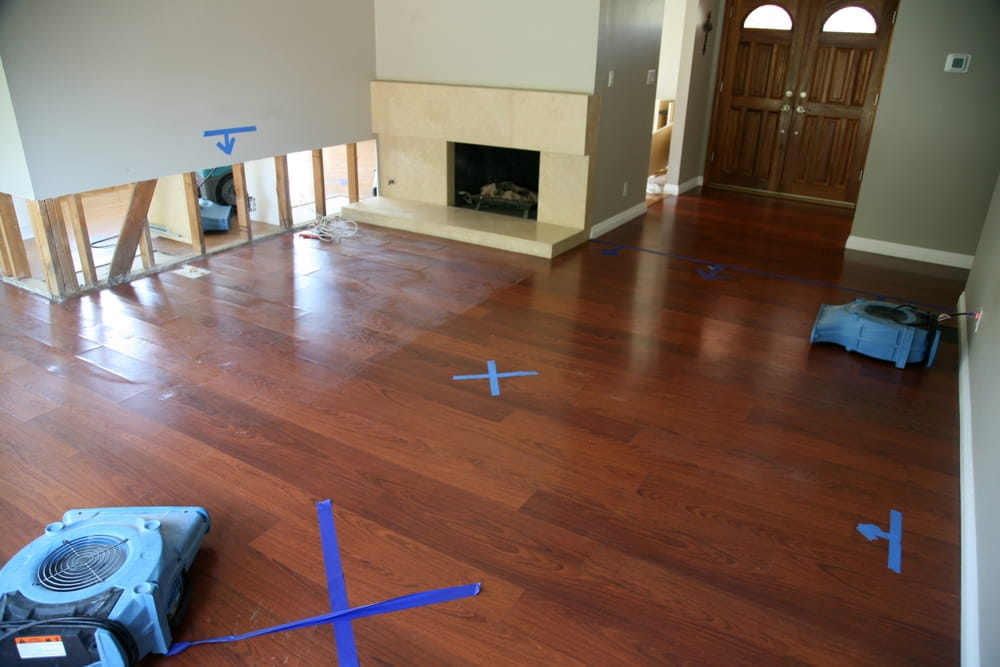
Once extraction is complete, air movers and dehumidifiers are installed to begin structural drying. Equipment is placed to guide airflow across wet surfaces and draw moisture out of walls, subfloors, and framing. The setup is adjusted based on the materials involved and how the space is used.
Managing humidity is essential during drying. Dehumidifiers help keep moisture levels within an effective range, usually between 35 and 50 percent, so evaporation happens steadily without creating new issues. A closed drying system is often used to keep outside humidity from slowing the process.
Drying is monitored throughout the process, not just at the beginning. Moisture levels are checked regularly, and equipment is adjusted as conditions change. Readings are documented to confirm materials have returned to acceptable levels before equipment is removed, helping ensure the space is ready for repairs.
Drying after water damage works best when it is handled by people who understand how moisture behaves in Atlanta buildings. Humidity, aging materials, and seasonal storms all influence how water moves through a structure, and those factors shape how drying needs to be approached.
Georgia Water & Fire approaches drying with a focus on doing it carefully and documenting each step, so there are no questions about what was done or what comes next. Drying and moisture control are often handled as part of a broader response that may already involve residential water restoration, helping keep the overall recovery process organized and moving in the right direction.
Clients often choose Georgia Water & Fire for our:
Water damage is disruptive, and drying is often what determines how much of that disruption lingers. When moisture is addressed fully and early, fewer surprises show up later, and the path forward feels clearer.
Georgia Water & Fire approaches drying and dehumidification with that reality in mind, focusing on steady progress and careful verification so properties can move out of the damage phase and back toward normal use. When water disappears, but problems remain, our restoration experts are ready to keep your property safe and dry.
Drying focuses on removing moisture from building materials like drywall, wood, and flooring. Dehumidification controls air humidity so moisture can evaporate and be removed more effectively. Both are needed to fully address water intrusion.
Drying timelines depend on how much water is involved, where it traveled, and the materials affected. In many cases, the process takes several days, with equipment adjusted as moisture levels change.
We typically use a combination of air movers, dehumidifiers, and moisture detection tools during the drying process. Equipment selection and placement are adjusted as drying progresses, based on how the structure is responding, rather than picking from a preset setup
Coverage varies by policy and the cause of the water damage. Drying and dehumidification are often included in covered restoration work, but it is always a good idea to review the details of your specific policy.
Drying started early can significantly reduce the conditions that mold needs to grow. While no process can eliminate all risk, proper drying helps limit the likelihood of mold-related problems and the need for residential mold remediation later.
As soon as possible. The longer moisture sits, the more opportunity it has to spread into surrounding materials and create additional challenges.
Yes, drying can often begin the same day water damage is discovered. Our team prioritizes rapid response because moisture spreads quickly, and starting the drying process early helps limit additional damage and disruption.