
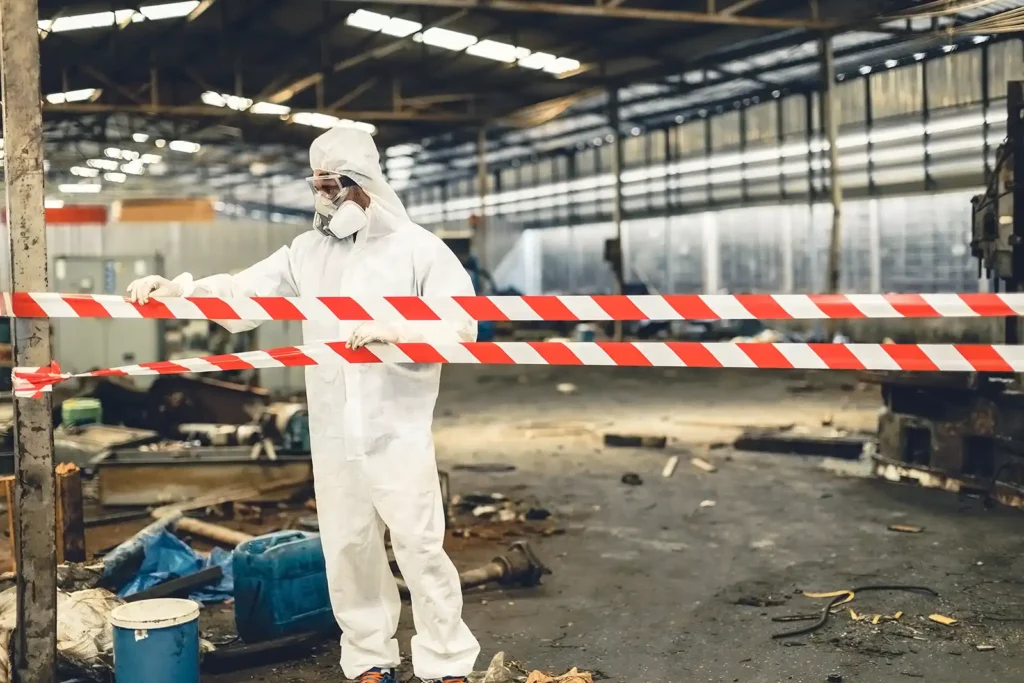
Asbestos was commonly used for construction projects until the 1980s, when it was proven to be a carcinogen that causes lung cancer, mesothelioma, and other serious respiratory diseases.
Distributing asbestos-containing materials without proper safety measures can release the deadly fibers into the air. Professional removal isn’t just recommended, it’s essential to protect your family, employees, and anyone who enters your property.
Our abatement specialists commonly encounter asbestos in:
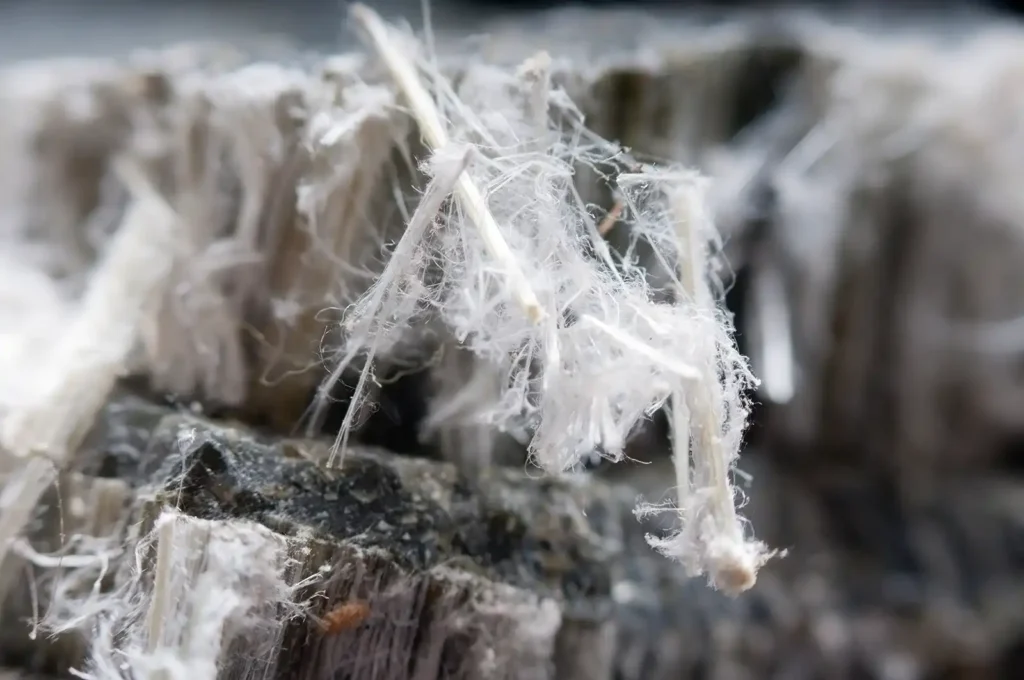
Asbestos isn’t identifiable by sight alone, especially once it’s been painted, sealed, or covered by other materials. If your home or business was built before the 1980s and you’re planning a renovation, demolition, or have noticed damaged insulation, flooring, or ceiling materials, professional testing is the only reliable way to confirm whether asbestos is present.
No. Asbestos abatement in Georgia requires state licensing through the Georgia Environmental Protection Division (EPD), and improper removal can release dangerous fibers into the air, putting you, your family, employees, or neighbors at risk. Beyond the health hazard, unlicensed removal can also carry legal and financial liability. Always work with a certified abatement specialist.
Coverage depends on your specific policy and the circumstances that led to the discovery of asbestos. In some cases, such as when asbestos-containing materials are damaged during a covered event like a fire or water leak, abatement costs may be included in your claim. We can help you understand what documentation your insurance carrier will need.
It depends on the location and extent of the asbestos-containing materials. Our containment procedures are designed to isolate the work area and prevent fiber release into the rest of the property, but in some cases, especially with widespread contamination, temporary relocation may be recommended for your safety. We’ll walk you through what to expect based on your specific situation.
Our EPA-certified inspectors collect samples from suspected materials and send them to an accredited lab for analysis. If asbestos is confirmed, we’ll provide a clear report outlining the affected areas and recommend next steps, whether that’s monitoring, encapsulation, or full abatement.
Timelines vary based on the amount of material involved and the size of the affected area. A small, contained job like removing a single section of pipe insulation may take a day, while larger-scale abatement across multiple rooms can take several days to a week or more. We’ll provide a project-specific estimate after inspection.