Knowing how to prepare for hurricane season may feel a little less urgent when you live hours from the Georgia coast. Then a tropical system pushes inland, the rain keeps coming, and suddenly the creek down the street has found its way into your basement.
The Atlantic hurricane season runs from June 1 through November 30, and recent storms have shown just how far tropical weather can reach once it moves inland. In this guide, we explain how to prepare your home for hurricane season and know what to do if damage occurs.
Why Georgia Homeowners Can’t Ignore Hurricane Season
The Georgia Emergency Management and Homeland Security Agency warns that hurricanes can cause serious damage hundreds of miles inland.
What Types of Storm Damage Are Most Common in Atlanta?
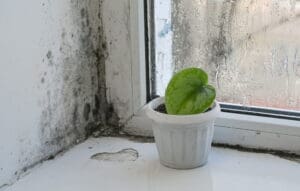
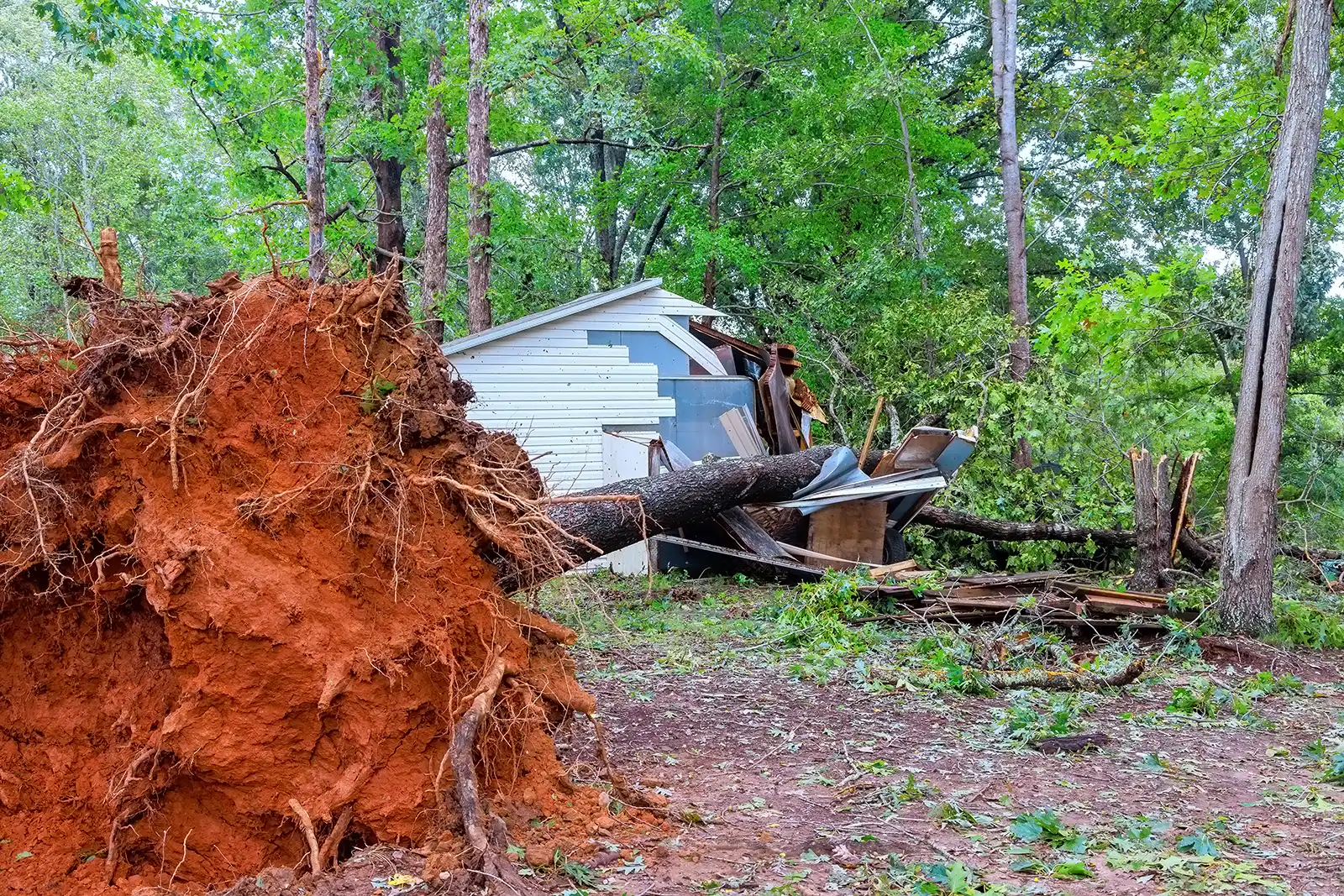
Around Atlanta, storm damage can show up overhead or under your feet. Wind can tear at the roof or bring down trees and limbs, while heavy rain can fill basements and crawl spaces with water. If water gets inside, the EPA recommends drying water-damaged materials within 24 to 48 hours when possible to help prevent mold growth.
Is Your Home in a Flood Zone?
Before hurricane season, plug your address into the FEMA Flood Map Service Center and see where your home falls. Zone AE identifies a high-risk flood area, while Zone X is used for areas outside FEMA’s Special Flood Hazard Area. Check your homeowners policy now so you’re not figuring out what is and isn’t covered after water has already made your basement its new home.
Structural Steps to Protect Your Home Before a Storm
If you’re figuring out how to prepare your home for hurricane season, start while the forecast is still quiet. A quick walk around the house can uncover problems that are easier to fix now:
Roof, Gutters, and Drainage: Look for missing, curling, or damaged shingles from the ground, and call a licensed roofer if something looks off. Clear gutters and downspouts, make sure they carry water away from the foundation, and check to ensure your yard drainage is clog-free.
Trees, Landscaping, and Exterior: Look for dead branches, leaning trees, or visible decay close enough to reach the house, and bring in an arborist if you’re concerned. Decide where patio furniture, grills, and other loose items will go before winds pick up. Check loose fence posts and gates as you make the rounds.
Windows, Doors, and Garage: Pay extra attention to large windows, sliding glass doors, and the garage door. If you plan to use temporary storm coverings, measure and prepare them ahead of time rather than scrambling once a watch is issued. Make sure exterior doors latch securely and check the garage door for loose or damaged parts.
Building Your Georgia Hurricane Emergency Kit and Plan
A hurricane watch shouldn’t send you digging through drawers for batteries or trying to remember where you put the insurance paperwork. Gather the basics early so you can double-check supplies as a storm approaches, not after it’s left its mark.
Emergency Supplies Checklist
Start with enough essentials to get everyone in your household through an extended outage. For a seven-day supply, plan on 7 gallons of water per person, along with nonperishable food that doesn’t require extensive preparation.
Keep these basics together in an easy-to-reach, waterproof container:
Flashlights and extra batteries
A battery-powered or hand-crank NOAA weather radio
Portable phone chargers
A first aid kit and necessary medical supplies
Prescription information and medications
A manual can opener
Cash in small bills
Store the kit above ground, not in a basement or other areas prone to water damage.
Documents, Insurance, and Evacuation Plan
Keep copies of your homeowners and flood insurance policies, important property documents, and a photo or video inventory of your belongings somewhere you can access from anywhere.
Make sure everyone at home also knows where to go and how to reconnect if you’re separated. Check the Georgia Emergency Management Agency and your local emergency management agency ahead of time for evacuation, shelter, and pet planning guidance.
What to Do When a Hurricane Watch Is Issued for Georgia
Once a storm is headed toward Georgia, the work you did ahead of time starts paying off. According to the National Hurricane Center, a hurricane watch means hurricane conditions are possible within 48 hours, while a warning means they’re expected within 36 hours.
48-Hour Actions (Watch Issued)
Put up any window coverings you’ve already prepared and secure the garage door.
Fill your vehicle with gas and pick up any last-minute medications or essentials.
Give your emergency kit one final check and keep it somewhere easy to grab.
Check your emergency supplies one last time and keep cash somewhere accessible.
Charge phones, portable chargers, and other battery backups.
24-Hour Actions (Warning Issued or Storm Approaching)
If officials tell your area to evacuate, follow their instructions and take your emergency supplies and important documents. Move valuables away from areas likely to flood. If you’re staying home, watch local alerts and finish your preparations before the worst weather arrives.
After the Storm — What Georgia Homeowners Must Do First
Once the storm passes, resist the urge to jump straight into cleanup. What you do in those first few hours can affect both your safety and how much damage you deal with later. If your home needs immediate help, our 24/7 emergency restoration team can begin securing and stabilizing the property.
Put Safety First: Wait until authorities or qualified professionals say it’s safe to return to a flooded or badly damaged home. Stay out of standing water if electrical hazards are possible, and leave immediately if you smell gas.
Document the Damage: Take photos and video before moving or cleaning anything, including damaged rooms, belongings, and exterior areas. Keep damaged items unless your insurer says otherwise, and save receipts for temporary repairs or emergency work.
Make the Right Calls: Contact your insurer promptly and follow your policy’s reporting instructions. If water got inside, our storm restoration services stabilize storm damage, while our water restoration services address water removal and structural drying.
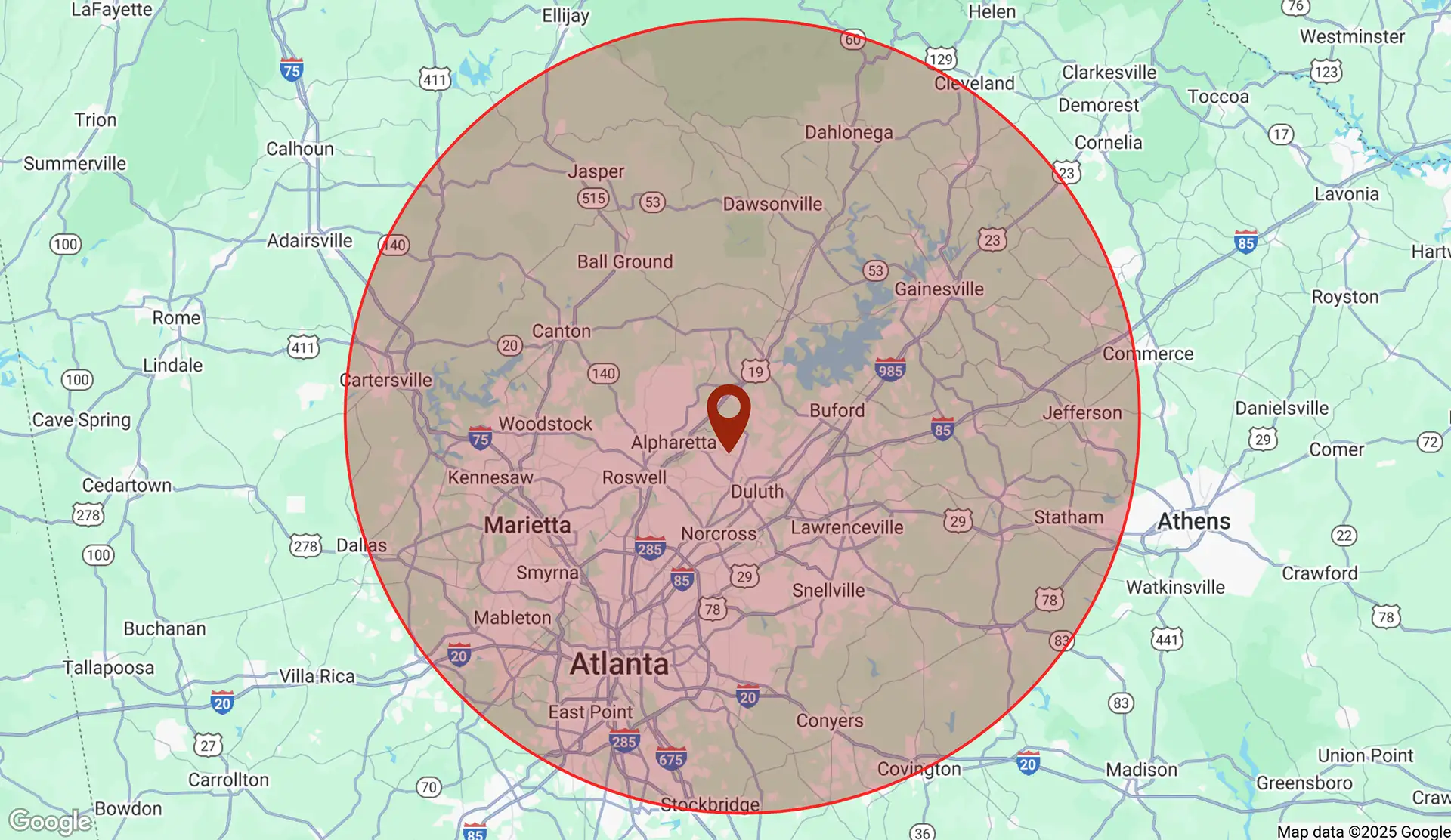
Knowing how to prepare for hurricane season can reduce your risk, but it can’t control the weather. Georgia Water & Fire Restoration helps homeowners and businesses manage the aftermath of severe weather. We serve Atlanta and beydon, including Sandy Springs, Cumming, Alpharetta, and many more.
Contact Georgia Water & Fire, and we’ll help you take control of the damage before it takes control of your home.
Frequently Asked Questions For Hurricane Season
Does Georgia Get Hurricanes, or Is It Only a Coastal Risk?
Georgia regularly gets significant impacts from tropical systems, not just Savannah and Brunswick. Weakening hurricanes and tropical storms push inland through the state, bringing dangerous flooding and wind damage to metro Atlanta. Tropical Storm Helene (2024), for example, caused widespread flooding and damage as far north as the Atlanta suburbs.
When Does Hurricane Season Start and End in Georgia?
Atlantic hurricane season runs from June 1 through November 30. You don’t need to have everything ready on June 1, but getting a head start beats scrambling when a storm suddenly has Georgia in its path.
Does Standard Homeowners Insurance Cover Hurricane Damage in Georgia?
It depends on what caused the damage and your policy coverage. Wind damage may be covered, while flooding typically requires separate coverage. Check with your insurance agent before there’s a storm in the forecast.
How Much Water Should I Store for Hurricane Season?
Plan on stocking one gallon per person per day. If you’re planning for a full week, that’s 7 gallons per person, or 28 gallons for a family of four.
When Should I Call a Restoration Company vs. a General Contractor After Storm Damage?
Call a restoration company first if your home has any water intrusion, flooding, or roof damage that allowed water inside. Restoration companies carry industrial drying equipment and can stop mold growth before it spreads. A general contractor only handles repairs after the structure is dried and stabilized.