
The first moments after water damage can be overwhelming. The water may have stopped, but you don’t know where to start to get your home back to normal.
This is where the Atlanta water extraction services from Georgia Water & Fire come into play. The focus is on removing water early, slowing the spread of damage, and giving you a clearer path forward. When you call, we will walk you through what needs to be done and where to start, without being rushed into decisions.
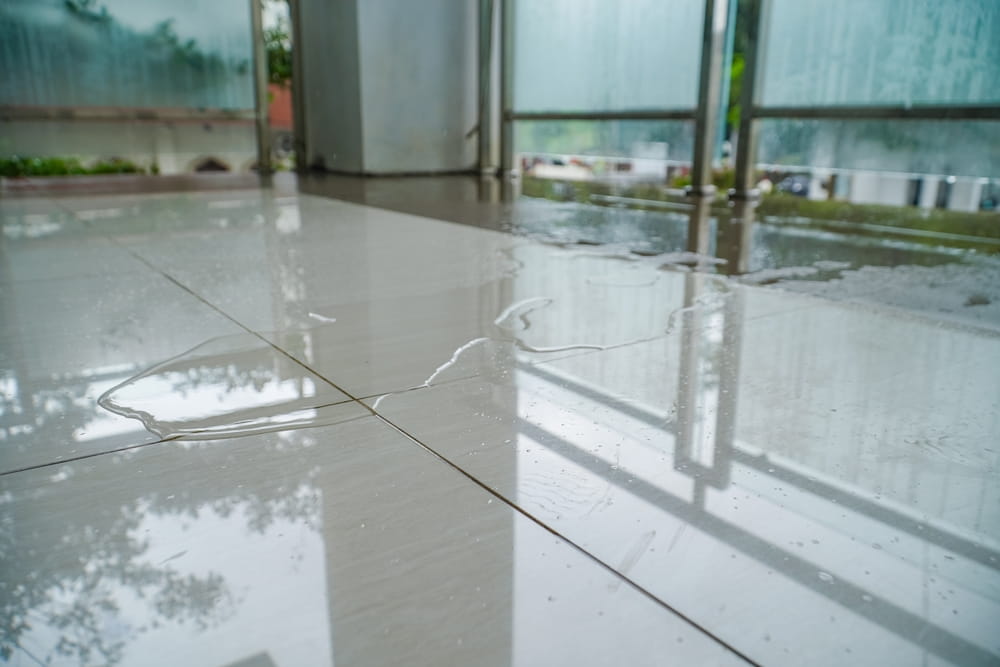
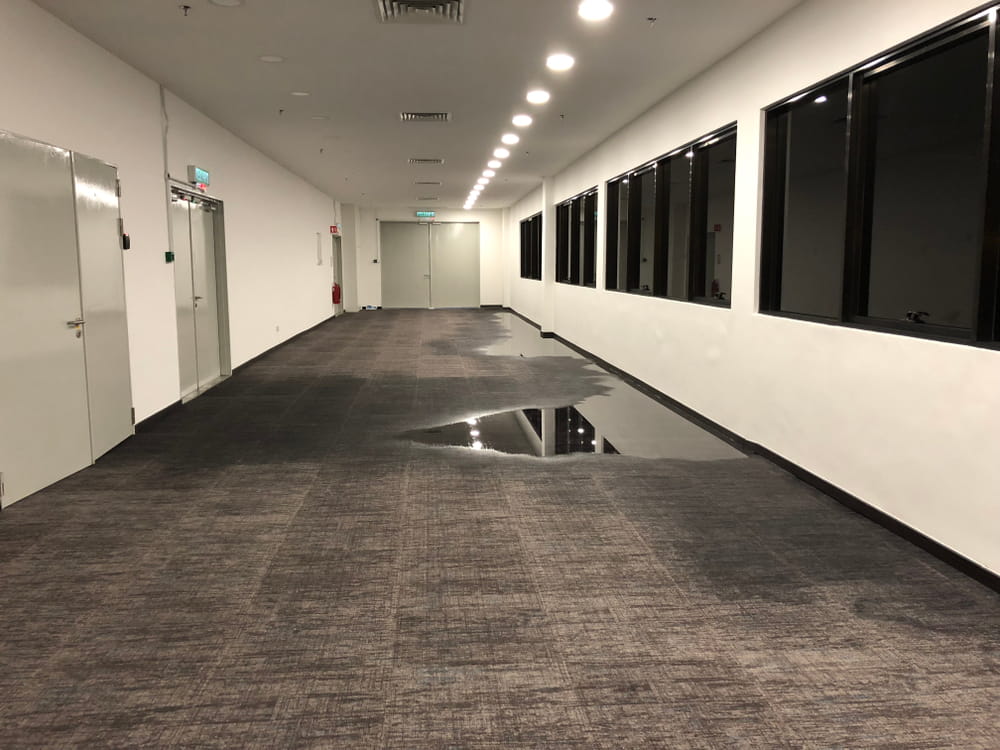
Water damage does not look the same in every space. A flooded basement, a broken supply line, or stormwater entering a commercial building each brings different challenges. What they all have in common is the need for fast action and experienced hands, especially when emergency restoration services are needed right away.
Emergency water extraction services from Georgia Water & Fire support residential and commercial properties throughout Metro Atlanta, focusing on removing water quickly and creating the right conditions for proper drying.
Fast water removal is not just about convenience. It plays a major role in preventing mold growth, structural damage, and costly repairs later on.
Don’t let a leak become a catastrophe. Our licensed team is dispatched immediately to extract water, dry your property, and prevent mold growth.
Call our 24/7 emergency response team.
Water extraction is the first step taken to remove water from your space after a leak, flood, or plumbing issue. It focuses on eliminating standing water and soaked areas before moisture has time to spread and create additional problems.
One thing that often surprises people is that water extraction and drying are two separate steps. Extraction is the physical removal of most of the water you can see, along with much of what you cannot. Drying follows and addresses the moisture that lingers inside walls, floors, and other materials.
When water is handled with basic household tools, moisture often stays trapped below the surface. Over time, that moisture can damage flooring and drywall or lead to mold growth. Professional water extraction is designed to reach deeper areas and help stop those issues early.
When water damage strikes, it helps to know what to do next. Water extraction follows a clear, proven process designed to remove water quickly and protect your space.
The first step is understanding what you are dealing with. Once the team arrives, affected areas are checked to determine where water is present, how far it has spread, and what needs immediate attention.
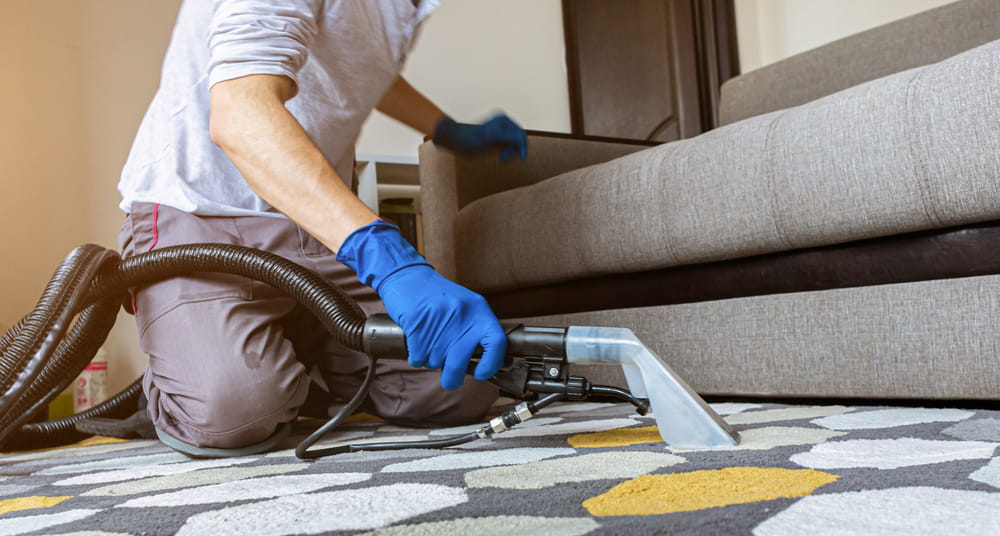
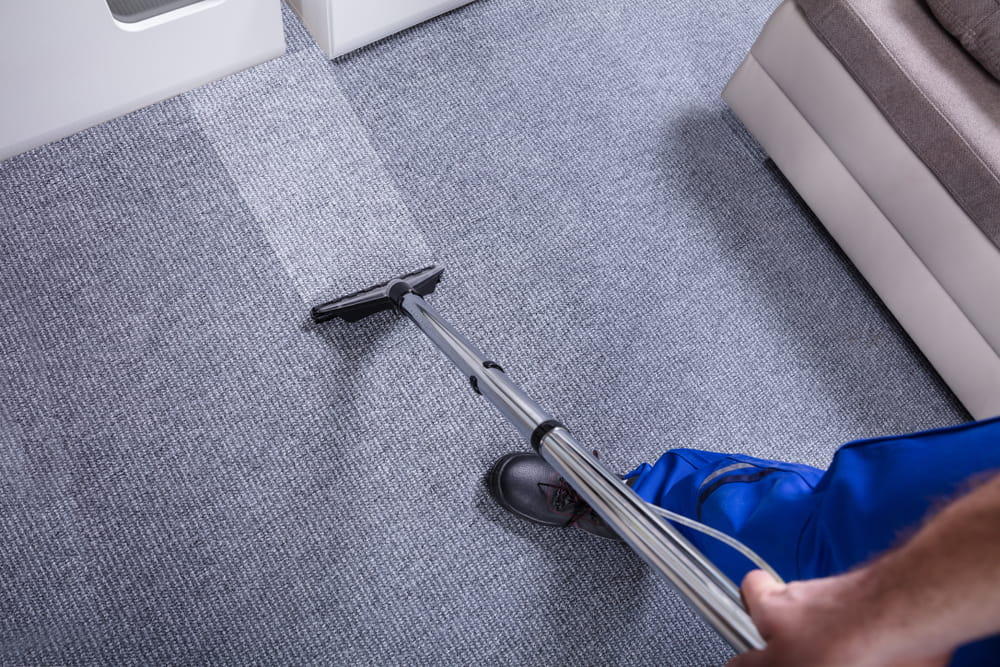
Next, we remove the water you can see. Powerful extraction equipment is used to pull standing water from floors, carpets, and other surfaces. Getting water out early helps slow the spread of moisture and reduces the amount absorbed by surrounding materials.
We set up air movers and dehumidifiers to pull remaining moisture from floors, walls, and structural areas. Moisture levels are monitored to ensure drying stays on track and secondary issues are avoided, often leading to residential water restoration when additional recovery work is needed.
Once drying is underway, affected areas are cleaned and treated as needed. This helps address residue and odors left behind by water exposure and supports a safe, comfortable space as recovery continues.
Before wrapping up, the work is reviewed to confirm everything is progressing as it should. Photos and documentation are prepared to support insurance claims, and you are walked through what was done and what to expect next, so nothing feels unclear or rushed.
Water damage often seems manageable at first. Surfaces may appear wet but intact, and they may feel as if they will dry out on their own. The problem is that water rarely stays on the surface. It moves into flooring, walls, and materials that retain moisture long after they appear dry.
Professional water extraction helps stop that process early. Removing water quickly limits how far moisture can spread and reduces the risk of damage showing up later, such as warped floors, weakened drywall, or lingering odors.
Timing is also critical for a smooth recovery. Early extraction often means fewer materials are affected, and less restoration is needed overall. It also reduces the risk that moisture issues will develop into mold concerns that may require residential remediation down the line.
When water damage hits, who you call matters. You want people who know the area, understand how water behaves in different types of buildings, and take the time to explain what is happening as the work moves forward.
Georgia Water & Fire is locally owned and works throughout Metro Atlanta, bringing a steady, practical approach to water extraction. The focus stays on doing the job right, keeping you informed, and helping prevent problems that tend to surface later when water is not handled thoroughly.
What sets this team apart:
Water damage raises many questions in a short time. A quick conversation can help bring some clarity and direction when things feel uncertain. Georgia Water & Fire is available to respond, talk through what you are seeing, and begin water extraction when timing matters most.
In many cases, the water removal itself can be done the same day. How long everything takes depends on how much water there is and where it has spread. Drying and monitoring usually continue for a few days to make sure moisture is fully taken care of.
Yes. We document the damage, take photos, and provide the information your insurance company typically needs. If an adjuster has questions, we help explain what was found and what work is being done, so you are not stuck in the middle.
It can, especially when it is done early. Removing water quickly limits how long moisture can sit in floors and walls, reducing the risk of mold development. If there are already signs of mold or moisture has been present for a while, we will talk through what additional steps may help.
Yes, we do. Our team of restoration experts is available 24/7, including nights and weekends. So no matter when water strikes, you have local professionals right around the corner, ready to help.
If it is safe, stop the source of the water and avoid walking through wet areas. You can move small personal items out of standing water, but it is best to leave water removal and drying to professionals so nothing is missed.