Mold isn’t something most of us think about until it’s in front of our eyes, but the truth is, it can start spreading in as little as 24 hours. In Georgia’s humid climate, mold thrives quickly, especially if water has recently leaked into your home. Before you know it, what seems like a small issue can grow into a major headache, leaving you wondering why it got so bad so quickly and what you could’ve done to prevent it.
So, just how long does it take for mold to grow? We’ll walk you through the stages of mold growth, explain the factors behind its rapid growth, and offer practical tips to prevent it from taking over your home. Whether it’s a basement that’s seen better days or a pesky water leak, knowing when to act could save you time, money, and a lot of stress.
Understanding Mold Growth Basics
Mold is a type of fungus that takes root and thrives in damp environments. Though mold spores are always present in the air, they need moisture to begin growing. Indoors, common culprits like Aspergillus, Cladosporium, and Stachybotrys, also known as Black Mold, can start to colonize organic materials like wood, drywall, or carpet. The good news? Mold won’t immediately appear everywhere, but with the right environmental conditions and enough time, its growth can spread much faster than you might think. How long it takes for mold to grow depends on the conditions, but if moisture is present for more than 48 hours, mold will almost certainly start to appear.How Long Does It Take for Mold to Grow? – The Timeline Explained
0–24 Hours – Initial Activation
Within the first 24 hours, mold spores need moisture to begin growth. Though you won’t see any visible mold yet, surfaces have already started absorbing moisture. As the spores continue to absorb more moisture, you might notice an increase in humidity or a faint musty smell in the air. These are your first red flags that there is trouble brewing. Mold grows fast in its early stages. Wiping down surfaces or drying the area during this window can prevent spores from taking hold.24–48 Hours – Spore Germination and Growth
Between 24 and 48 hours, mold spores begin germinating and attaching to damp surfaces. High humidity, above 60%, speeds up this phase. Materials like drywall, carpet, and wood are especially vulnerable during this window. While still not visible in this phase, the spreading mold colonies can begin eating away at the materials. If you’re asking how long it takes for black mold to grow during this phase, the answer is going to be similar. The process begins quickly. Black mold can appear just days after moisture settles in, depending on the environment.3–7 Days – Visible Mold Appears
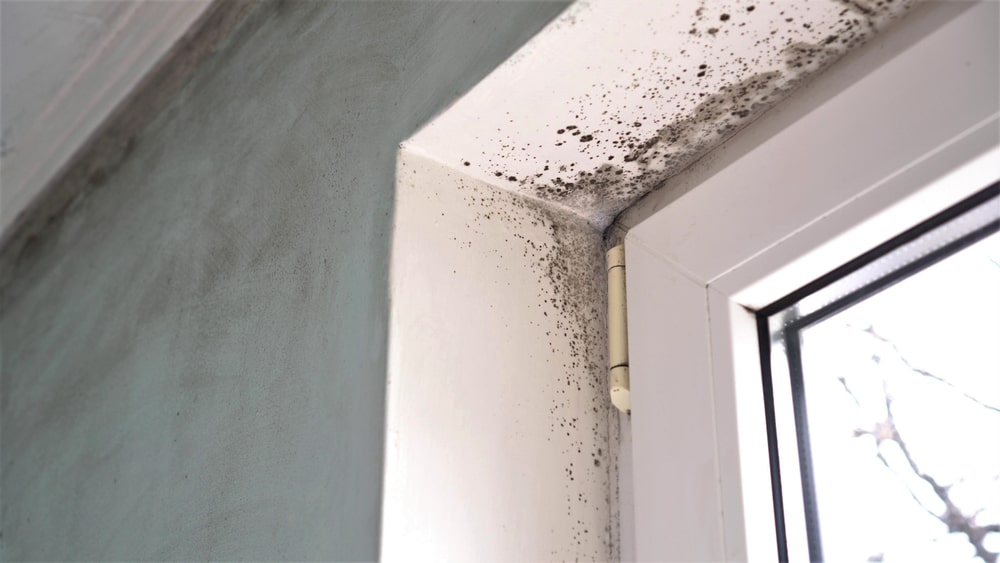
In 3 to 7 days, small patches or discoloration may appear on surfaces. By this stage, you’ll likely begin smelling the musty odors and begin experiencing allergy-like symptoms from mold spores in the air. For Georgia homeowners, the humid summer months provide the perfect conditions to speed up this process. Once you see visible patches of mold, it’s vital to take immediate action to stop further spread. But how long does it take for mold to grow in walls? It can start as early as three days with the right conditions.1–3 Weeks – Established Mold Colonies
By week three, mold colonies are fully established and ready to spread, causing damage to building materials. At this point, any DIY cleaning tactics won’t work, so it’s best to leave the job to the professionals to ensure a safe and speedy removal. While the sight of a big mold colony can be alarming, waiting it out is never a good option. The longer you wait, the more damage mold can do, especially when it penetrates walls or hidden areas.Environmental Factors That Accelerate Mold Growth
Several factors can cause mold to grow, and understanding these can help you stay ahead of the problem. Mold doesn’t need much to start growing, but certain conditions make it easier for it to spread. Let’s take a look at some of the key factors to keep an eye on:- Humidity: Mold loves high humidity, especially when the air is above 60%. This is pretty common in Georgia, where the air tends to stay humid year-round. If the indoor humidity in your home stays high, it’s an open invitation for mold to move in.
- Temperature: Mold grows best in temperatures between 60°F and 80°F, which is typically the range most of us keep our homes at. From running your air conditioner in the summer or heating the house in the winter, with enough moisture, your indoor temperature creates the perfect environment for mold to thrive.
- Material: Mold loves porous materials like wood and drywall, as these materials can trap moisture. So, if these materials get damp and aren’t dried out quickly, mold can easily settle in and start growing. This is a common problem in areas where water leaks are a consistent problem or when humidity is not adequately controlled.
- Airflow: When rooms have next to no airflow, moisture tends to build up over time. Poor ventilation in places like basements or bathrooms makes them ideal spots for mold to grow as moisture becomes stuck and left to be absorbed by any present mold spores.
- Time: Mold doesn’t need much time to grow, but if moisture sticks around for more than 48 hours, it’s almost guaranteed to start rearing its ugly head. That’s why it’s so important to take action right away when dealing with a moisture issue or water damage.
Why Mold Grows Faster in Atlanta Homes
In Atlanta’s humid subtropical climate, mold has a near-constant chance of growth due to consistently high humidity, averaging 70 to 80% year-round. Combine the high humidity with factors like frequent rainfall and older home construction, and you have a near-ideal moisture-prone environment indoors that mold loves. Add in seasonal changes, like post-storm humidity or condensation from your HVAC system, also increase the risk. If your home lacks proper ventilation or has leaks, mold can take hold even more quickly. If you are dealing with sudden water damage, it’s important to call on emergency restoration services before problems become more destructive. Keeping track of these regional factors can help you stay ahead of mold growth and prevent it from snowballing into a much more destructive and costly problem.Signs That Mold Is Growing in Your Home
While mold does a lot of its dirty work in the background, there are some key signs to keep an eye out for before the spread takes hold of your property. The key signs to look out for include:- Musty or earthy odor
- Discoloration on walls, ceilings, or floors
- Peeling paint or bubbling surfaces
- Worsening allergy or asthma symptoms indoors
- Increased humidity or condensation on windows
How to Prevent Mold Growth After Water Damage in Atlanta
Once you’ve experienced water damage, act quickly to prevent mold growth. Here are some steps to take within the first 24–48 hours:- Dry all wet materials: Quickly remove any wet carpets, upholstery, or drywall and dry them. Leaving these surfaces wet gives mold the perfect surface to attach to and begin to fester.
- Use dehumidifiers: These appliances are designed to draw moisture from the air, removing the vital trigger that mold needs to grow and spread.
- Improve ventilation: Open up windows or place down fans in order to establish better airflow.