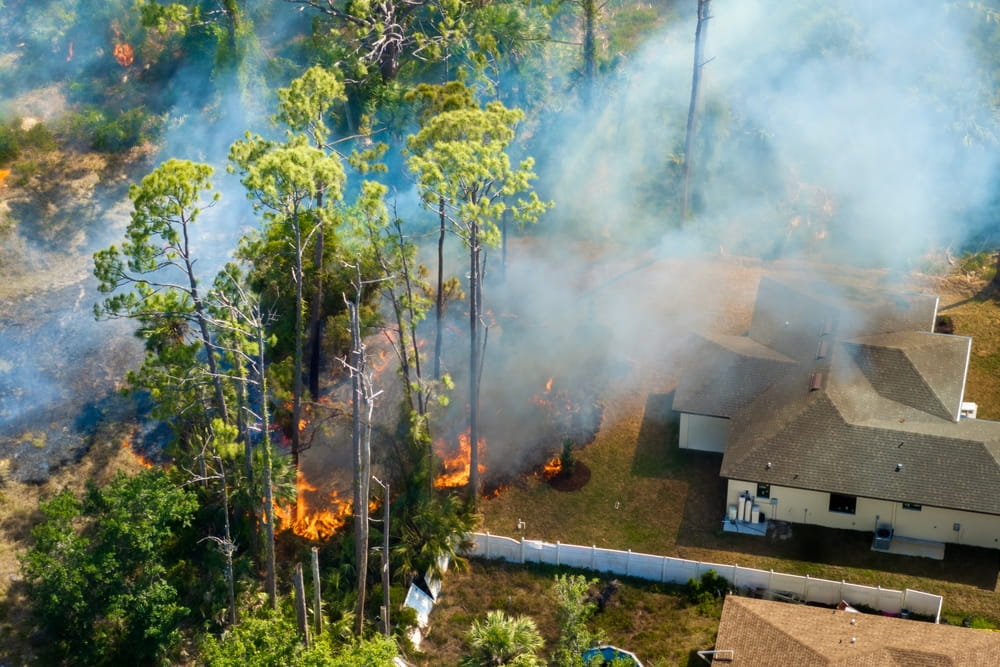
The smoke is gone, but the smell is still there. It lingers in the air, catches when the AC kicks on, and makes the whole house feel off.
Trying to figure out how to get rid of the smoke smell in your house? You are not alone. Smoke slips into walls, fabrics, and vents quickly, and once it settles in, it does not leave easily. In Atlanta, where humidity sticks around most of the year, that persistent odor can hold on even tighter.
This guide walks you through what causes smoke odor to stick around, what you can safely do yourself, and when deeper restoration steps may be necessary.
Why Does Smoke Smell Linger in Your Home?
Smoke is made up of microscopic particles, soot, gases, and chemical compounds released during combustion. When something burns, those particles float through the air and attach themselves to just about every surface they come in contact with. And some materials trap smoke more easily than others, such as:
Porous Surfaces
- Drywall
- Insulation
- Upholstery
- Carpets
- Clothing
- Wood
These materials absorb smoke particles deep into their structure. That is why wiping the surface often does not solve the problem.
Non-Porous Surfaces
- Glass
- Metal
- Tile
These are easier to clean, but they can still hold a thin film of residue that causes odor.
Smoke can also travel through ductwork. If your HVAC system was running during a fire or heavy smoke event, particles may have circulated through vents and into rooms far from the source.
There is also something called thirdhand smoke. This refers to residue that remains on surfaces long after visible smoke clears. It can react with indoor air and continue releasing odor over time.
Different types of smoke behave differently:
- Cigarette Smoke leaves sticky nicotine residue that clings to walls and ceilings.
- Kitchen Smoke often contains protein-based particles that can leave strong odors.
- Fire Damage Smoke can include synthetic materials and plastics, creating more complex contamination.
Immediate Steps to Take After Smoke Exposure
If the smoke exposure just happened, what you do in the next few hours can make a big difference. Acting quickly helps limit how deeply those particles settle into walls, furniture, and your HVAC system.
Improve Ventilation Immediately
- Open windows and doors on opposite sides of the home to create cross airflow.
- Place box fans facing outward to push contaminated air outside.
- If a fire just occurred, turn off your HVAC system to avoid spreading smoke through the ducts.
Fresh air will not eliminate the deep smell, but it does help to reduce airborne particles quickly.
Replace HVAC Filters
Smoke spreads easily through ductwork. Replace your air filter with a high-quality HEPA-rated filter to capture fine particles.
If the odor returns every time the system runs, duct inspection may be necessary. Lingering contamination inside vents can reintroduce smoke into clean rooms.
Remove Burned Or Heavily Damaged Items
Unfortunately, items that are severely burned or deeply saturated with smoke may not be salvageable. These items often are the primary odor source, and getting rid of them can help put a stop to the contamination.
Here is what you should do:
- Wear gloves and a mask when handling debris.
- Safely discard porous materials that cannot be cleaned.
- Be cautious of structural damage if a fire occurs.
DIY Methods to Remove Smoke Smell
After you have aired things out and handled the obvious damage, deeper cleaning is usually the next step. For lighter smoke issues, such as a kitchen flare-up or cigarette smell, a thorough DIY cleaning can go a long way.
Clean All Hard Surfaces Thoroughly
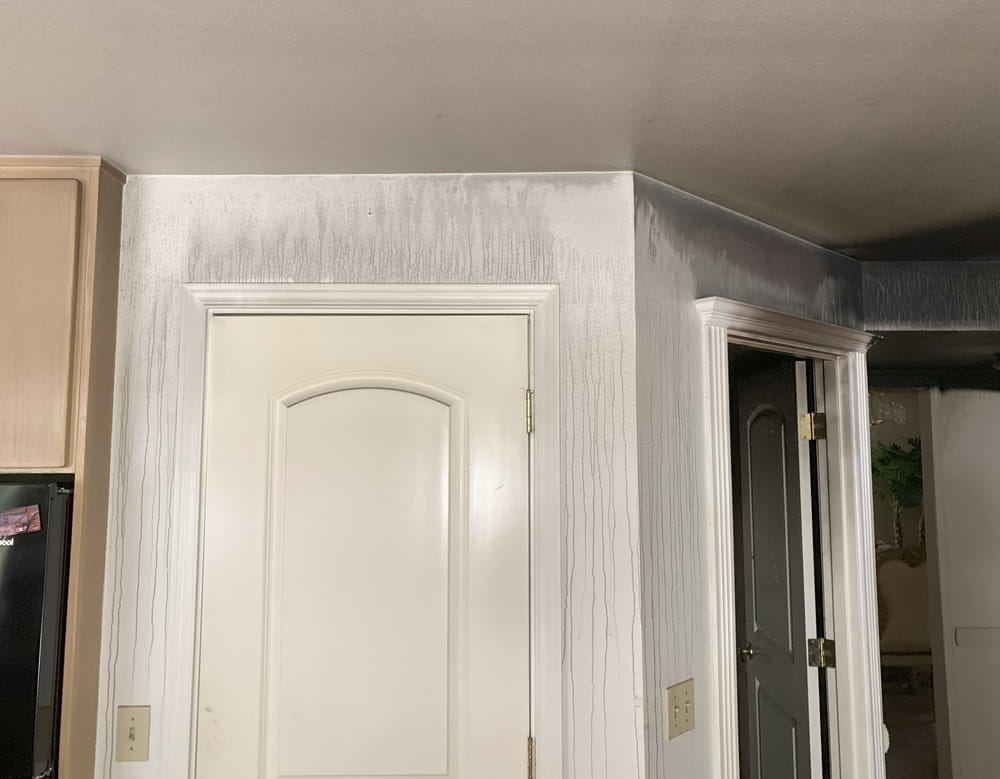
Smoke residue spreads farther than most people expect. It settles on ceilings, coats walls, and leaves a thin film on nearly every surface.
Start at the top of the room and work your way down. Clean ceilings first, then walls, trim, and baseboards. A degreasing cleaner or trisodium phosphate solution helps break down that smoky film. Always follow label directions and test a small area before cleaning larger sections.
Pay close attention to:
- Ceilings
- Baseboards
- Cabinet Fronts
- Light Fixtures
- Doors And Trim
Even a light layer of soot can continue releasing odor if it is not fully removed.
Deep Clean Upholstery And Carpets
Soft materials hold onto smoke longer than hard surfaces. Fabrics trap particles deep in their fibers, which is why the smell often lingers around couches, curtains, and carpets.
For lighter smoke exposure, try:
- Sprinkle baking soda generously over carpets and upholstery.
- Let it sit overnight.
- Vacuum thoroughly the next day.
Steam cleaning can help lift deeper residue, but household machines only extract so much. If the odor remains after thorough cleaning, stronger professional equipment may be needed to fully remove what is trapped below the surface.
Use Natural Odor Neutralizers
White vinegar, activated charcoal, and even coffee grounds are often used to help absorb odor from the air. Placing bowls around affected rooms may reduce light smoke smells over time.
These can temporarily freshen the air, but they will not solve the deeper odor trapped in walls or insulation. Think of them as a short-term support step while you continue deeper cleaning.
Use Air Purifiers And HEPA Filtration
Air purifiers can help after light smoke exposure. Units with true HEPA filters capture 99.97 percent of particles as small as 0.3 microns, including many of the fine particles left behind by smoke.
Running a purifier for several days can reduce airborne odor and improve air quality. Just remember, purifiers only clean the air. They do not remove residue already settled into walls, insulation, or fabrics. If the smell returns once the unit is off, the source is likely embedded deeper in the home.
Ozone Generators – Do They Work?
Ozone generators are often marketed as a quick fix for smoke smell removal. Ozone works by oxidizing odor molecules, which can neutralize strong smells.
However, ozone can be harmful to breathe. These devices should only be used in unoccupied spaces and with strict safety precautions. Improper use can irritate the lungs and worsen respiratory conditions. While effective in controlled situations, ozone should never be used casually or without guidance.
How To Get Smoke Smell Out Of Walls And Ceilings
When smoke odor lingers, walls and ceilings are often the reason. This is especially true after a house fire or long-term cigarette exposure.
Washing Painted Surfaces
Start with a thorough wash using a degreasing cleaner. Smoke leaves behind an oily residue that regular soap may not remove. Always test a small area first to protect paint and finishes. If the odor improves after cleaning, sealing may not be necessary.
Sealing With Odor-Blocking Primer
If washing alone does not solve the issue, sealing the surface can help trap remaining residue. Shellac-based, odor-blocking primers are commonly used before repainting. This step is often needed when smoke exposure was heavy or long-lasting.
When Drywall Replacement Is Necessary
In severe cases, smoke penetrates past the surface and into drywall or insulation. If odor persists even after cleaning and sealing, partial drywall replacement may be required. This is more common after structural fires, where heat and soot deeply affect building materials.
Is Smoke Smell Dangerous?
Lingering smoke odor is not just unpleasant — it can signal residual contamination inside the home. Thirdhand smoke residue can cling to surfaces long after visible smoke clears. Fine particulate matter can irritate the lungs and trigger asthma or allergy symptoms.
Children, elderly adults, pets, and anyone with respiratory conditions are especially sensitive. If coughing, headaches, or breathing irritation continue after a smoke event, deeper cleanup may be needed.
How Professionals Remove Smoke Odor
When smoke exposure is heavier, or the smell keeps coming back after careful cleaning, professional equipment is often necessary. Deep contamination inside insulation, wall cavities, or ductwork usually requires tools that go beyond household products.
Here are some of the methods restoration teams use:
- HEPA Air Scrubbers -Think of these as large-scale air purifiers. They pull contaminated air through powerful HEPA filters to capture tiny smoke particles that smaller home units often cannot keep up with. They are especially helpful when smoke has spread throughout multiple rooms.
- Thermal Fogging – Thermal fogging releases a fine, heated mist that moves into cracks, fabrics, and other porous areas where smoke likes to hide. It helps neutralize odor in places you cannot easily reach with regular cleaning.
- Ozone Treatment – Ozone can be used after deep cleaning to help tackle stubborn odors. Because it is not safe to breathe at high levels, the home must be unoccupied during treatment. It is typically used when other methods have not fully removed the smell.
- Hydroxyl Generators – Hydroxyl generators work similarly to ozone but are generally safer to use while people are around. They break down odor molecules in the air and on surfaces without requiring the space to be empty.
- HVAC Cleaning And Duct Decontamination – If your HVAC system was running during the smoke event, particles may have traveled through the ductwork. Professional duct cleaning helps remove that hidden buildup so the odor does not circulate back into freshly cleaned rooms.
In more serious fire cases, restoration teams follow industry standards like the IICRC S700 guidelines to determine what can be cleaned, sealed, or replaced.
When To Call A Professional Smoke Damage Restoration Company In Atlanta, GA
Sometimes, despite your best efforts, that smoke smell just won’t go away. That’s when it’s time to bring the experts.
You may want to call a professional if:
- Odor Remains After Cleaning
- Walls Or Insulation Were Directly Exposed
- HVAC Smells When Running
- Health Symptoms Worsen
- You Experienced An Actual House Fire
Homes in areas like Buckhead, Midtown, Sandy Springs, or Decatur often have tight construction and active HVAC systems, which can circulate smoke quickly. In those cases, fast response matters.
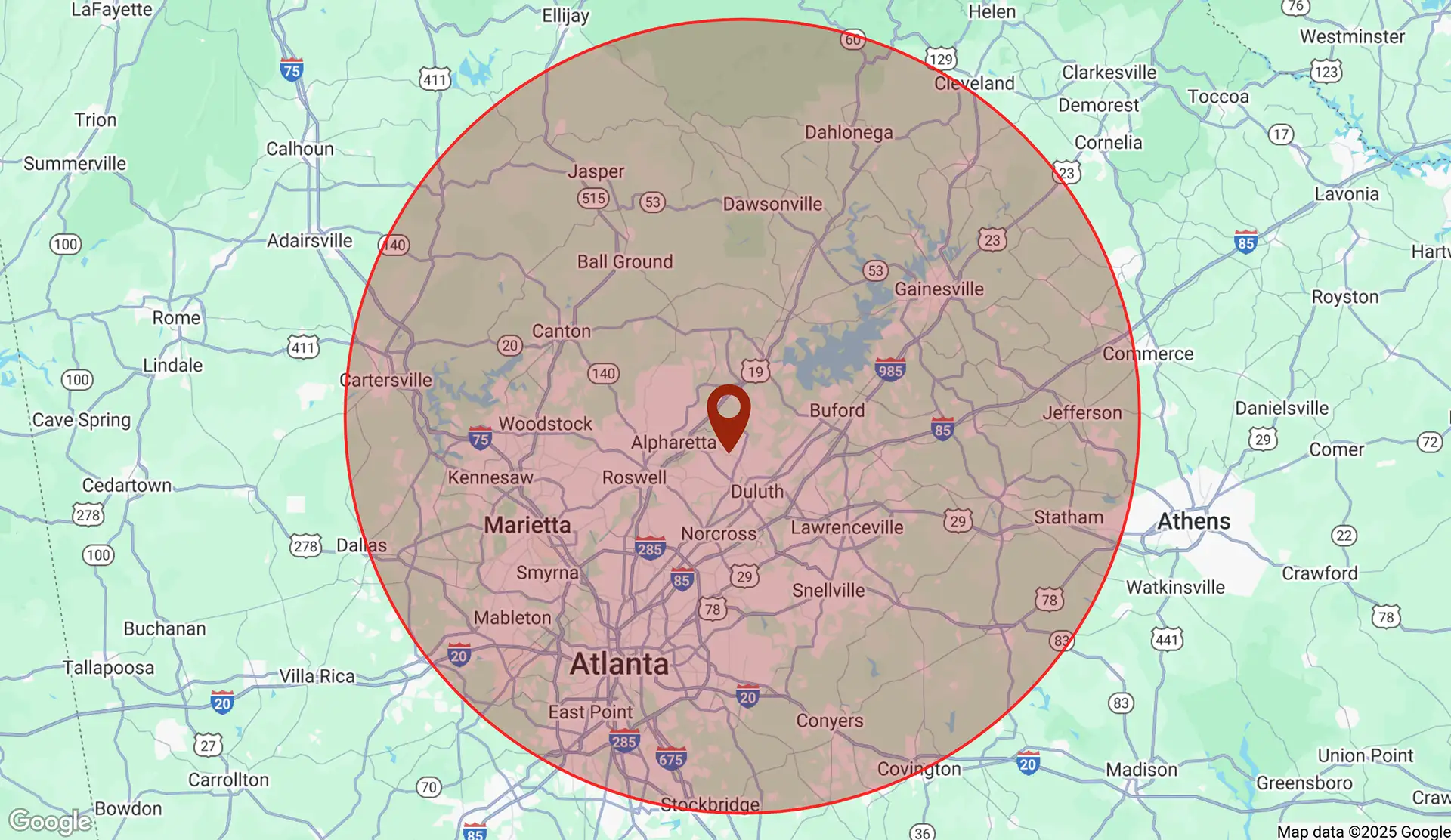
Georgia Water and Fire Restoration responds 24/7 across the Atlanta area, helping homeowners stabilize damage quickly and prevent smoke from settling deeper into structural materials. Our team handles everything from surface cleaning to full residential fire restoration when structural damage is involved.
If you are not sure how far the smoke has spread, it is better to get a second set of eyes on it. After a real fire or heavy smoke event, this is not something you want to guess through. Georgia Water & Fire’s 24/7 emergency restoration service allows you to act quickly, reduce more serious damage, and start getting your home back on track without second-guessing every step.
Frequently Asked Questions About Smoke Smell Removal
How Long Does Smoke Smell Last In A House?
It really depends on how much smoke your home was exposed to. Light smoke from something like a small kitchen fire may fade within a few days after thorough cleaning. Heavier fire damage can leave an odor behind for weeks or even months if the source is not properly removed.
Will Smoke Smell Eventually Go Away?
Sometimes mild odors fade over time, especially if the home is well ventilated. But when smoke particles settle into areas like drywall, they usually do not disappear on their own. Cleaning or sealing is often needed to fully eliminate the smell.
What Absorbs Smoke Smell Best?
For lighter odors, baking soda and activated charcoal can help absorb some of the smell from the air. When the odor is deeper or more persistent, stronger solutions like sealing primers or professional deodorization methods are usually more effective.
Does Vinegar Really Remove Smoke Odor?
Vinegar can help reduce airborne odor and freshen a room temporarily. It does not remove soot or residue that has already settled into walls, insulation, or fabrics, so it works best as a short-term support step.
Can Smoke Smell Stay In Insulation?
Yes, it can. Insulation is highly porous, which means it can trap smoke particles deep inside. If the smell continues after surface cleaning, your insulation might be the main culprit.
Can HVAC Systems Spread Smoke Odor?
Yes, they can. If your HVAC system was running during smoke exposure, particles may have circulated through the ductwork and into other rooms. That is why changing filters and inspecting ducts can be an important part of the cleanup.
Does Repainting Eliminate Smoke Smell?
Repainting by itself usually does not get rid of the smell. Surfaces typically need to be thoroughly cleaned and sealed with an odor-blocking primer first. Otherwise, the smell can seep back through fresh paint.
Is Smoke Odor Covered By Insurance?
In many cases, smoke damage from a sudden house fire is covered by homeowners’ insurance. Odor from long-term cigarette smoke buildup usually is not. It is always a good idea to review your specific policy or speak with your provider for clarification.