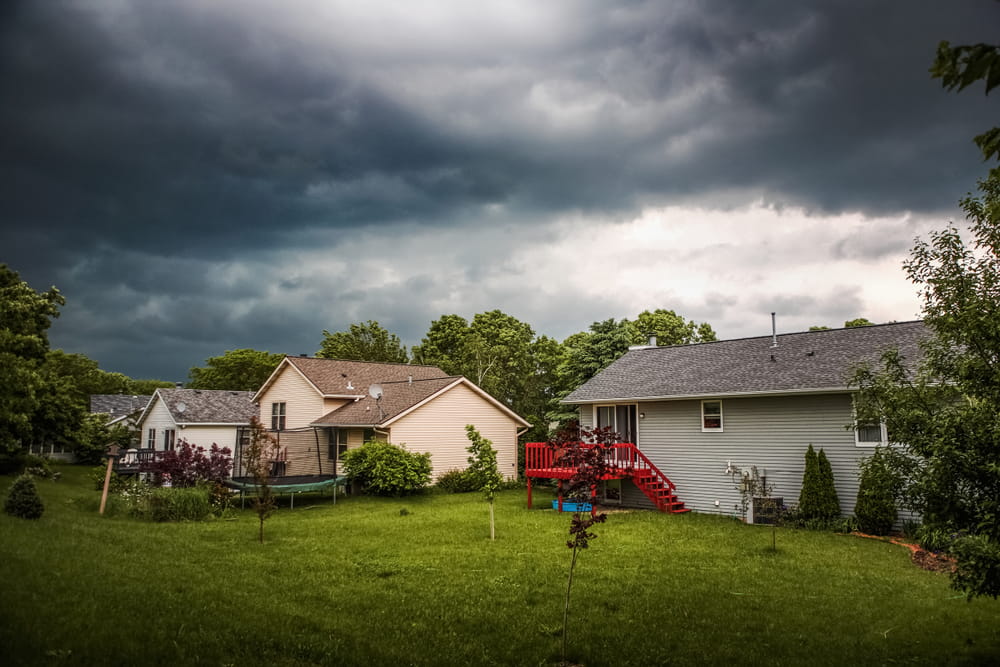
If you’ve lived in the Atlanta area for any length of time, you’ve probably experienced at least one afternoon where the forecast called for a chance of rain and ended with tree limbs in the yard and a power outage down the street.
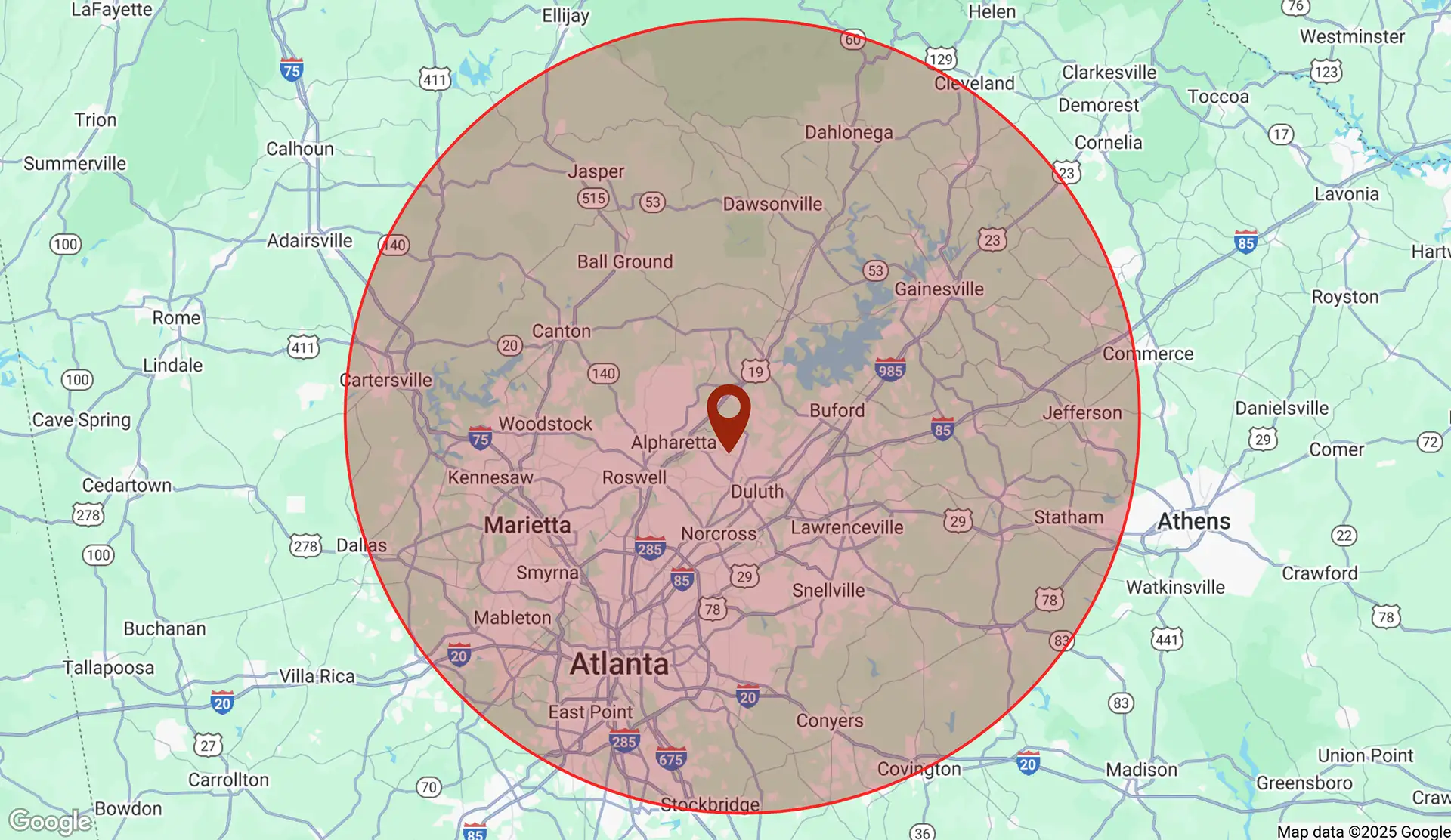
At Georgia Water & Fire Restoration, we respond to storm-related property damage throughout Kennesaw, Marietta, Alpharetta, Cumming, and surrounding communities. Through years of helping homeowners with residential storm damage restoration, we’ve seen firsthand the difference a little preparation makes when severe weather strikes.
These storm damage prevention tips can help you prepare your home before Atlanta’s storm season arrives. From protecting your roof and yard to knowing what to do after severe weather passes, a little preparation now can help you avoid bigger headaches later.
Why Atlanta Homeowners Face Higher Storm Risk Than Most
Atlanta’s seasonal weather patterns and dense tree coverage can influence how storms impact homes throughout the metro area.
Georgia’s Storm Season Calendar
Atlanta’s primary severe weather season typically runs from April through September. Spring brings the highest threat of severe thunderstorms and tornadoes, while late summer and early fall are characterized by heavy rain and strong winds from tropical systems. North Georgia also faces occasional winter ice storms that can damage trees and power lines.
What Types of Storms Cause the Most Damage in Metro Atlanta
Some of the most costly storm damage starts with high winds, hail, or heavy rain that rolls through in a matter of hours. High winds can lift shingles, damage siding, and bring down tree limbs, while hail often leaves behind roof damage that’s hard to spot from the ground. During periods of heavy rain, flash flooding can also become a concern, especially when drainage systems struggle to keep up.
Before Storm Season: A Room-by-Room Prevention Checklist
Don’t get stuck cleaning your gutters, moving patio furniture, and looking for flashlights after the weather alert hits your phone. A few hours of routine preventative maintenance each year can help reduce the chances of costly repairs later.
Roof and Gutters Storm Damage Prevention Tips
- Inspect Your Roof Before Spring Storms Arrive
Look for curling, cracked, or missing shingles that may be vulnerable to wind uplift. If you’re replacing a roof, Class 4 impact-resistant shingles offer additional protection against hail damage. - Clean Gutters And Downspouts Twice Per Year
March and October are ideal times to clear debris. Proper drainage helps prevent water from backing up beneath roofing materials during heavy rain, making gutter maintenance one of the most overlooked tips for preventing water damage. - Check Gutter Attachments
A loose gutter might not seem urgent until a heavy storm rolls through. Take the time to ensure components such as brackets and screws are secured. - Inspect Flashing Around Roof Openings
Chimneys, vents, skylights, and roof penetrations are common entry points for water after storms. Damaged flashing should be repaired before storm season begins. - Schedule A Professional Inspection For Older Roofs
Roofs that are 15 to 20 years old are more susceptible to hail and wind damage. A professional inspection can identify vulnerabilities before severe weather exposes them.
Windows, Doors, and Garage Storm Damage Prevention Tips
- Inspect Exterior Caulking And Weatherstripping
Small gaps around windows and doors allow wind-driven rain to enter the home. Replace cracked caulking and worn weatherstripping as needed. - Check Window Seals
Even minor separation around window frames can lead to water intrusion during prolonged storms. - Evaluate Your Garage Door
The garage door can be one of the most vulnerable parts of the home during a severe storm. A quick inspection now is a lot easier than dealing with storm damage later. - Consider A Garage Door Bracing Kit
For homes in higher-risk areas, additional reinforcement may help reduce the likelihood of garage door failure during severe wind events. - Test Multi-Point Door Locks
French doors and sliding glass doors should fully engage all locking points. Incomplete engagement can leave these openings more vulnerable during storms.
Trees and Landscaping Storm Damage Prevention Tips
- Have Mature Trees Evaluated When Necessary
Dead limbs can increase the likelihood of storm-related tree failure. - Pay Attention To Higher-Risk Tree Species
Certain tree species, such as Bradford pear, water oak, and silver maple, are more vulnerable during severe weather. - Secure Outdoor Items Before Storms Arrive
Before severe weather moves in, secure or store any patio furniture or loose equipment that could be picked up and carried away by strong winds. - Improve Drainage Around The Home
Make sure downspouts direct water at least 6 feet away from the foundation to reduce the risk of water pooling and moisture intrusion.
During a Storm — What to Do (and Not Do) to Limit Damage
Focus on limiting damage and staying safe when severe weather hits.
Actions That Reduce Damage While the Storm Is Happening
1. Move Valuables Away From Vulnerable Areas
Move electronics, important documents, family photos, and other valuables away from windows and off the floor if severe weather is in the forecast. Flash flooding and moisture damage can happen quickly, especially in lower levels of the home.
2. Shut Down Your HVAC System During Severe Electrical Storms
A nearby lightning strike can create power surges that damage sensitive HVAC components. Turning the system off during severe electrical activity can help reduce that risk.
3. Cover Broken Windows From The Inside
If a window breaks during a storm, resist the urge to go outside and make repairs. Instead, use a tarp, plastic sheeting, or another temporary barrier from inside the home to help slow water intrusion until conditions improve.
4. Skip The Candles
Flashlights and battery-powered lanterns are safer than candles and eliminate the risk of an accidental fire during an already stressful situation.
5. Stay Away From Damaged Areas
If you notice active leaks, sagging ceilings, or visible structural damage, keep people out of the affected area until it can be safely evaluated.
Immediately After the Storm Passes
1. Start With A Safe Walk-Around
Before inspecting damage up close, take a slow walk around the property. Look for downed power lines, damaged trees, loose debris, and anything that could present a safety hazard. Downed utility lines should be treated as live and reported immediately.
2. Take Photos Before Cleaning Up
The urge to start cleaning up right away is understandable, but grab your phone first. Document the damage by taking clear, dated photos of affected areas before moving debris or making temporary repairs.
3. Prevent Additional Water Intrusion
If it’s safe to do so, place temporary tarps over roof openings and cover broken windows. Limiting additional water exposure in the first day or two after a storm can help prevent smaller problems from worsening later on.
4. Watch For Signs Of Structural Damage
Don’t ignore sagging ceilings, bowed walls, and pooling water. These conditions may indicate structural concerns that require professional evaluation.
5. Contact Your Insurance Company Promptly
Most homeowners’ policies require timely reporting after a loss. The sooner you notify your insurance carrier, the sooner the claims process can begin.
6. Bring In Professional Help When Needed
Roof leaks and structural concerns should be assessed as quickly as possible. Delaying repairs allows damage to spread and complicates the restoration process. Seek professional emergency restoration services to stabilize your property and prevent further damage.
Common Storm Prep Mistakes Atlanta Homeowners Make
Having responded to storm damage calls across the Atlanta area since 1989, we’ve noticed many of the same preventable issues come up time and time again:
- Waiting Until A Storm Is In The Forecast To Prepare
By the time a severe weather alert appears on your phone, there may only be minutes left before the storm arrives. The best time to prepare is before storm season gets underway—not when bad weather is already on the radar. - Assuming Homeowner’s Insurance Covers Every Type Of Storm Damage
Standard homeowner’s insurance policies typically cover wind, hail, and lightning damage but not flooding. Many homeowners don’t discover that coverage gap until after water has already entered the home. - Ignoring The Gutters
Clogged gutters are one of the most common contributors to water damage in Atlanta. Water always finds another path when it’s not properly channeled away from the house. - Trying To Handle Tree Work Yourself
Larger trees should be evaluated and trimmed by qualified professionals. Improper pruning can weaken a tree’s structure and increase the risk of storm-related failure. - Overlooking The Garage Door
The garage door is one of the largest openings on most homes and a common weak point during high-wind events. Make sure it’s in good condition before storm season arrives.
You can’t control the weather, but you can plan for what’s next with these professional storm damage prevention tips.
When storms damage your property, Georgia Water & Fire Restoration can help. We’ve worked with homeowners in Kennesaw, Marietta, Alpharetta, Smyrna, and surrounding communities to assess damage and begin restoration as quickly as possible.
Call today to get your free assessment and regain control of your property.
Frequently Asked Questions About Storm Damage Preparation
When Does Storm Season Start In Atlanta, Georgia?
Storm season in Atlanta typically kicks off in April and runs through September. Spring usually brings the greatest risk of severe thunderstorms and tornadoes, while late summer brings heavy rain and strong winds from tropical systems moving inland.
Does Homeowner’s Insurance Cover Storm Damage In Georgia?
Most homeowners’ policies cover damage from wind and hail, while flooding typically requires separate coverage. A quick review of your policy can help you understand what’s included before storm season arrives.
How Do I Protect My Roof Before A Storm?
A little preventative maintenance goes a long way. Check for damaged shingles, keep gutters clear, and make sure flashing around vents and chimneys is in good shape. If your roof is older, schedule a professional roof inspection before storm season begins.
What Should I Do Immediately After Storm Damage To My Home?
Start by documenting the damage with photos and checking for any immediate safety concerns. Once the area is safe, contact your insurance company, then cover exposed areas with tarps to protect them from rain and prevent additional damage.