Quick Answer
If your house floods, focus on safety before anything else. If it’s safe to do so, shut off the electricity, stop the source of the water, and document the damage before moving belongings. Then begin removing standing water and drying the affected areas as quickly as possible. Acting fast during the first hour can help limit damage and reduce the risk of mold while you decide whether it’s time to call in professional help.
If your home flooded — whether the water came from a burst pipe, an overflowing appliance, or one of Atlanta’s heavy storms — you don’t have to solve everything at once. Focus on the critical first hour to protect your home, minimize the damage, and make the restoration process much smoother.
At Georgia Water & Fire, we’ve helped homeowners across metro Atlanta recover from floods of all sizes, so we know how overwhelming those first few moments can be. This guide walks you through what to do if your house is flooded, common mistakes to avoid, and when it’s time to call in a professional.
Why the First 60 Minutes After a Flood Are Critical
The first hour after a house flood can have a lasting impact on the extent of damage. Water spreads quickly, and the longer it remains inside your home, the harder cleanup and restoration become. While you can’t undo a flood, taking the right steps early can help limit the damage to your home and make the restoration process a lot smoother.
What Happens to Your Home Every 15 Minutes Water Sits
Time | What Happens |
0-15 Minutes | Water begins soaking into floors, walls, and belongings. |
15-30 Minutes | Water continues spreading, increasing damage and safety concerns. |
30-60 Minutes | Furniture and building materials continue absorbing water, making cleanup more difficult. |
24-48 Hours | Mold can begin developing if wet materials aren’t dried properly. |
Georgia’s Climate Makes Speed More Important Than in Most States
Atlanta’s summer humidity slows the natural drying process, giving water more time to soak into your home. Heavy rain combined with North Georgia’s clay soil can also cause water to pool around foundations, making flood damage more difficult to manage.
Minutes 0–15: Safety Before Anything Else
Before you worry about cleanup or saving your belongings, make sure the area is safe to enter. Standing water can hide electrical hazards, contaminated water, and even structural damage.
Your first priorities should be:
Shut Off the Power (If It’s Safe): Before entering a flooded room, determine whether you can safely reach your breaker panel. If you can access it without walking through standing water, turn off the main breaker first. If the panel is surrounded by water, stay out of the area and contact your utility provider to disconnect the power safely.
Identify the Type of Water:
Category 1: Clean water from a broken supply line or overflowing sink.
Category 2: Water that may contain contaminants, such as appliance overflows or washing machine discharge.
Category 3: Highly contaminated water from sewage backups or floodwater after heavy storms.
If you’re unsure where the water came from, treat it as contaminated and avoid direct contact until it can be properly assessed.
Before moving furniture or starting cleanup, take a slow video of every affected room and photograph damaged floors, walls, appliances, and belongings. Those few minutes of documentation can make the insurance claims process much smoother later.
Minutes 15–30: Stop the Water Source and Protect What You Can
Once you’ve confirmed the area is safe, focus on stopping additional water from entering your home. The less water that spreads during this stage, the less moisture you’ll have to remove later.
How to Identify and Stop the Water Source
Shut off your home’s main water supply if a burst pipe is responsible, or close the supply valve to a leaking appliance. If the flooding is caused by heavy rain, focus on keeping water from spreading instead. Clear floor drains if you can do so safely and avoid climbing onto a wet roof to investigate active leaks.
Move Valuables and Furniture Off Wet Floors
Once you’ve stopped the flow of water, move anything you can safely protect. Furniture, electronics, important documents, and sentimental items should be relocated to a dry area before moisture has more time to soak in. If something is too heavy to move, raising it off the floor may help reduce additional damage.
What to Do If It’s a Basement Flood Specifically
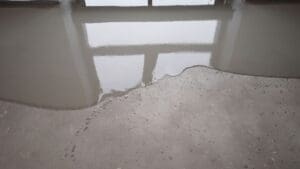
If the flooding is limited to your basement, don’t assume the problem is over once the standing water is gone. Concrete floors and foundation walls can hold moisture long after the surface looks dry, making thorough drying especially important. If you notice lingering dampness or musty odors, the damage may extend beyond what you can see.
Minutes 30–60: Begin Water Removal and Prevent Mold
By now, you’ve addressed the immediate safety concerns and stopped the source of the water, if possible. The next step is limiting how much moisture your home absorbs. While you won’t be able to dry everything within the first hour, taking the right steps now can make a big difference in the cleanup ahead.
What You Can Do With Consumer Equipment (and Its Limits)
If you’re dealing with a small amount of clean water, a wet/dry shop vacuum, fans, and a dehumidifier can help remove standing water and begin drying the area. If water has spread into multiple rooms or soaked into flooring and walls, household equipment often isn’t enough. In these situations, you should contact a flood damage restoration company to bring in commercial drying equipment designed for larger, more complex water losses.
How to Prevent Mold in the First Hour
The sooner you dry the affected area, the less chance mold has to develop. The EPA notes that standing water and wet materials left behind after a flood can become a breeding ground for mold, bacteria, and other microorganisms. Continue removing standing water, keep air moving with fans and dehumidifiers, and leave interior doors open to improve airflow.
Avoid spraying bleach on wet drywall or unfinished wood. It may clean the surface, but mold can continue growing if moisture remains underneath.
Call a Licensed Water Damage Restoration Company Before the Hour Is Up
By now, you should have a better idea of whether the flood is something you can handle on your own. If water has spread into multiple rooms, soaked into drywall or flooring, or came from stormwater or sewage, it’s time to contact a restoration company. The sooner professional water extraction and drying begins, the better the chance of limiting additional damage.
5 Mistakes Atlanta Homeowners Make After a House Flood
When emotions are running high, it’s easy to make decisions that seem helpful in the moment but create bigger problems later. Keep these common mistakes in mind during the first few hours after a flood:
Mistakes That Make Water Damage Worse
Waiting Until Tomorrow: Even after standing water is gone, moisture continues soaking into drywall, flooring, and framing. The sooner drying begins, the better your chances of limiting additional damage.
Relying Only on Household Fans: Fans help circulate air, but they won’t remove moisture trapped behind walls, beneath flooring, or inside insulation.
Restoring Power Too Soon: If floodwater reached outlets, wiring, or your electrical panel, don’t turn the power back on until it’s safe to do so.
Throwing Away Damaged Items Immediately: Take photos and videos before removing belongings. Good documentation can make the insurance claims process much smoother.
Assuming Your Insurance Covers Everything: Coverage depends on how the flooding occurred. Review your policy and contact your insurance company before making assumptions about what’s covered.
The “How to Clean Up After a Flood” Shortcut That Always Backfires
One of the biggest mistakes we see homeowners make is stopping when the standing water is gone and the floor appears dry. Drying a flooded home takes time, and rushing the process can lead to lingering odors, warped materials, or mold days later. Before putting furniture back or closing up the room, make sure everything has had enough time to dry thoroughly.
When to Call a Water Damage Restoration Company (and What to Expect)
Once water starts soaking into walls, flooring, or multiple rooms, cleanup becomes much more challenging. A professional water damage restoration company will assess the damage and recommend the best way to get your home dry again.
What a Restoration Company Does in the First Visit
When a restoration company arrives, the first step is determining how far the water has spread. Using professional moisture detection equipment, technicians identify areas that may still be wet even though they look dry.
From there, they’ll remove standing water, set up commercial drying equipment, and create a drying plan based on your home’s specific needs. If contaminated water is involved, they’ll also explain the cleaning and sanitizing steps needed to restore the affected areas safely.
What to Tell Your Insurance Company Right After the Flood
Once you’ve addressed the immediate emergency, it’s time to contact your insurance company. Before you call, be prepared with:
Date of the loss
Source of the water (burst pipe, appliance leak, stormwater, etc.)
Photos and videos of the affected areas and damaged belongings
If you’re working with a restoration company, they can also provide documentation to help support your insurance claim.
Georgia Water & Fire’s Service Area for Emergency Response
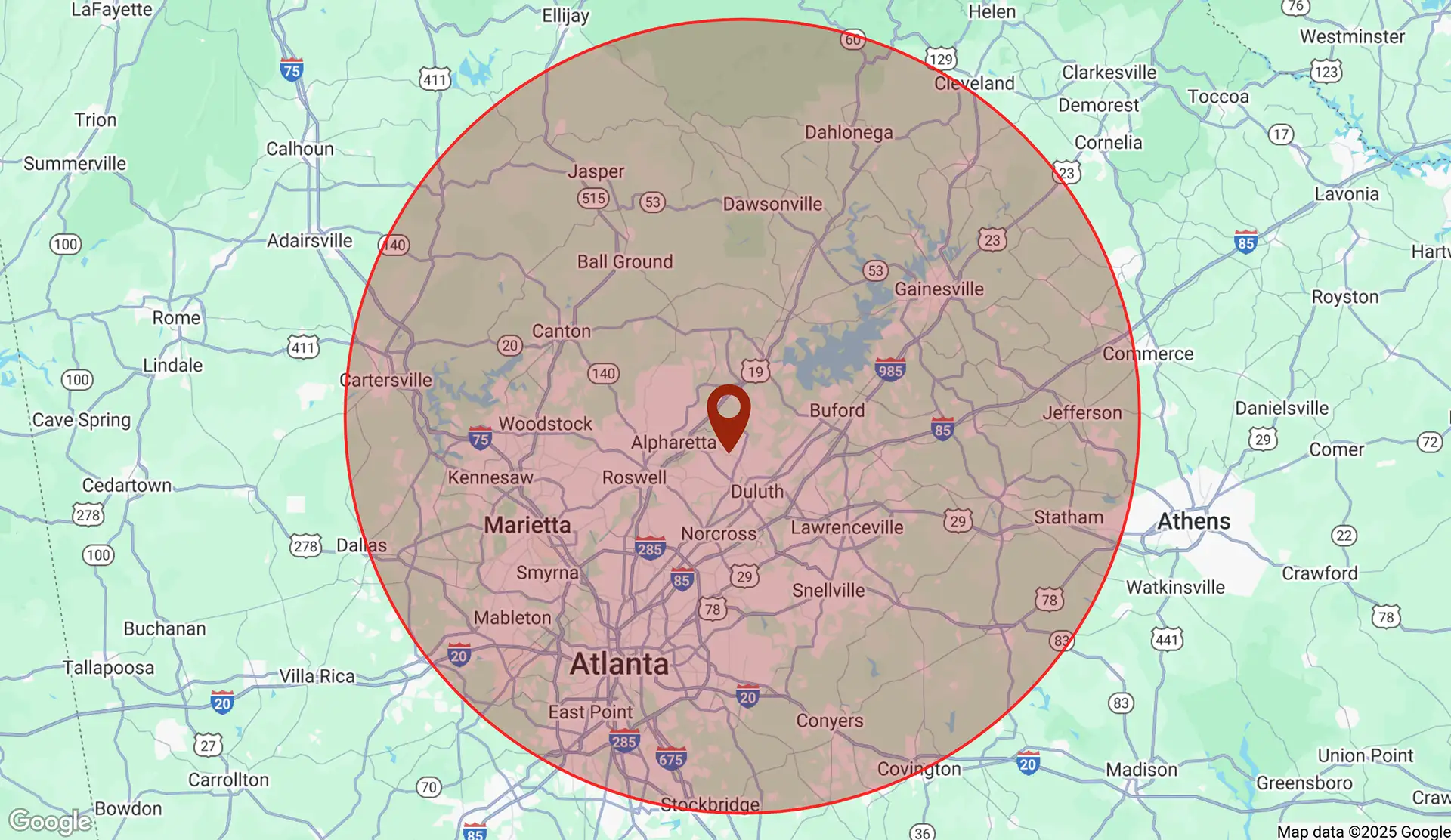
Whether your home flooded because of a burst pipe, an appliance failure, or one of metro Atlanta’s heavy storms, Georgia Water & Fire is here to help. We proudly serve homeowners throughout Gwinnett, Hall, Forsyth, Barrow, and surrounding counties.
When the damage goes beyond what you can safely clean up yourself, our team steps in with fast water extraction, structural drying, and emergency restoration services to help you recover as quickly as possible. No matter when disaster strikes, our team is ready to restore your peace of mind.
Frequently Asked Questions A Flooded House
My House Flooded. Who Do I Call First?
Start by making sure everyone is safe. If there’s standing water near electrical outlets or you aren’t sure it’s safe to go inside, address that first. From there, call a water damage restoration company to begin removing the water and drying the affected areas. Then, contact your insurance company to report the damage.
Does Homeowner’s Insurance Cover Flood Damage?
It depends on what caused the water damage. A burst pipe and a heavy rainstorm aren’t always treated the same by insurance companies. If you’re unsure what’s covered, give your provider a call before making any assumptions. They can explain what your policy includes and what steps to take next.
How Long Does It Take for Mold to Grow After a House Floods?
In the right conditions, mold can start growing within a day or two. That’s why acting quickly after a flood is so important. Even if everything looks dry on the surface, moisture can still be hiding where you can’t see it.
Can I Stay in My House While It’s Being Dried Out After a Flood?
Sometimes, yes. If the damage is limited and the water was clean, you may be able to stay home while drying equipment runs. If the flooding was widespread or involved stormwater or sewage, it’s often safer and more comfortable to stay somewhere else until cleanup is complete.
What If Only My Basement Flooded? Is That Still an Emergency?
It can be. Basements tend to hold moisture longer than the rest of the house, and water often finds its way into walls, flooring, and other materials. Even if it doesn’t seem like a major flood, address it right away to avoid bigger issues down the road.