Basement Flooding Coverage Quick Guide
- Sudden Plumbing or Appliance Problems: Water damage from a burst pipe, failed water heater, or sudden appliance overflow may be covered, depending on your policy and the cause.
- Outside Flooding: Standard homeowners insurance generally does not cover flooding from rising surface water or groundwater. Separate flood insurance may apply.
- Sewer or Drain Backups: Coverage often depends on whether your policy includes water or sewer backup coverage.
- Your Specific Policy Matters: Coverage, deductibles, exclusions, and limits vary, so review your policy and contact your insurer about your specific loss.
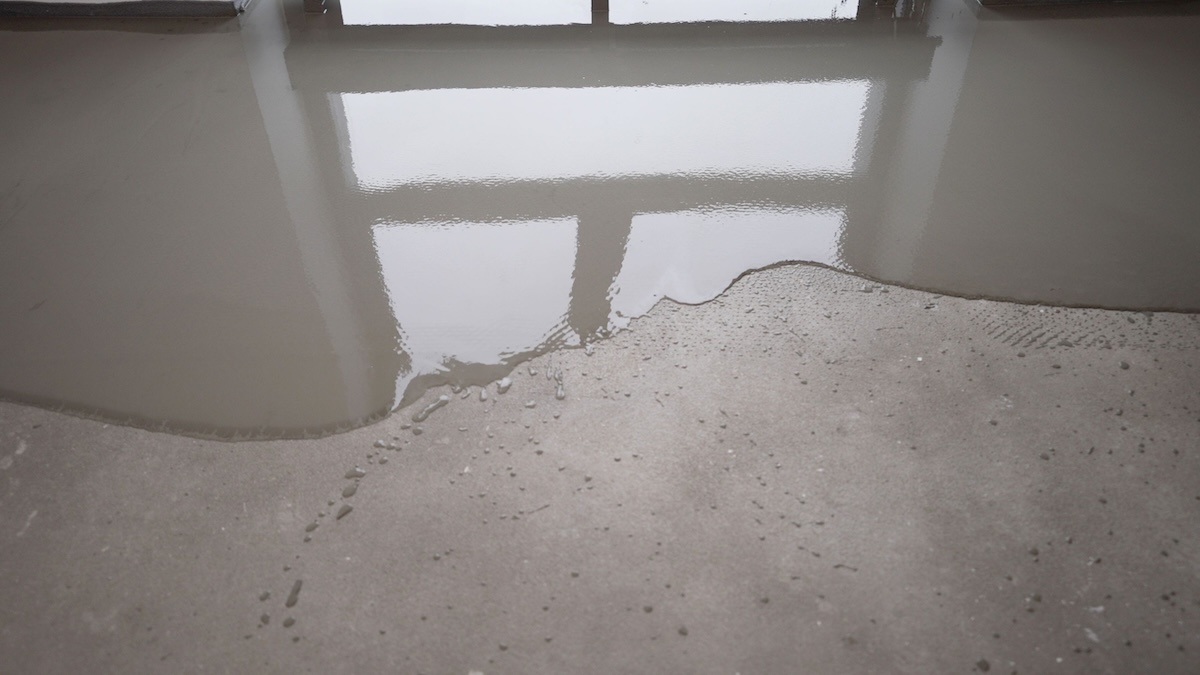
You head downstairs and step straight into water. Now you’re looking for where it came from, checking what got wet, and trying to figure out what to do next. And once you see the damage, there’s a good chance you’re thinking, “My basement flooded. What will insurance cover?”
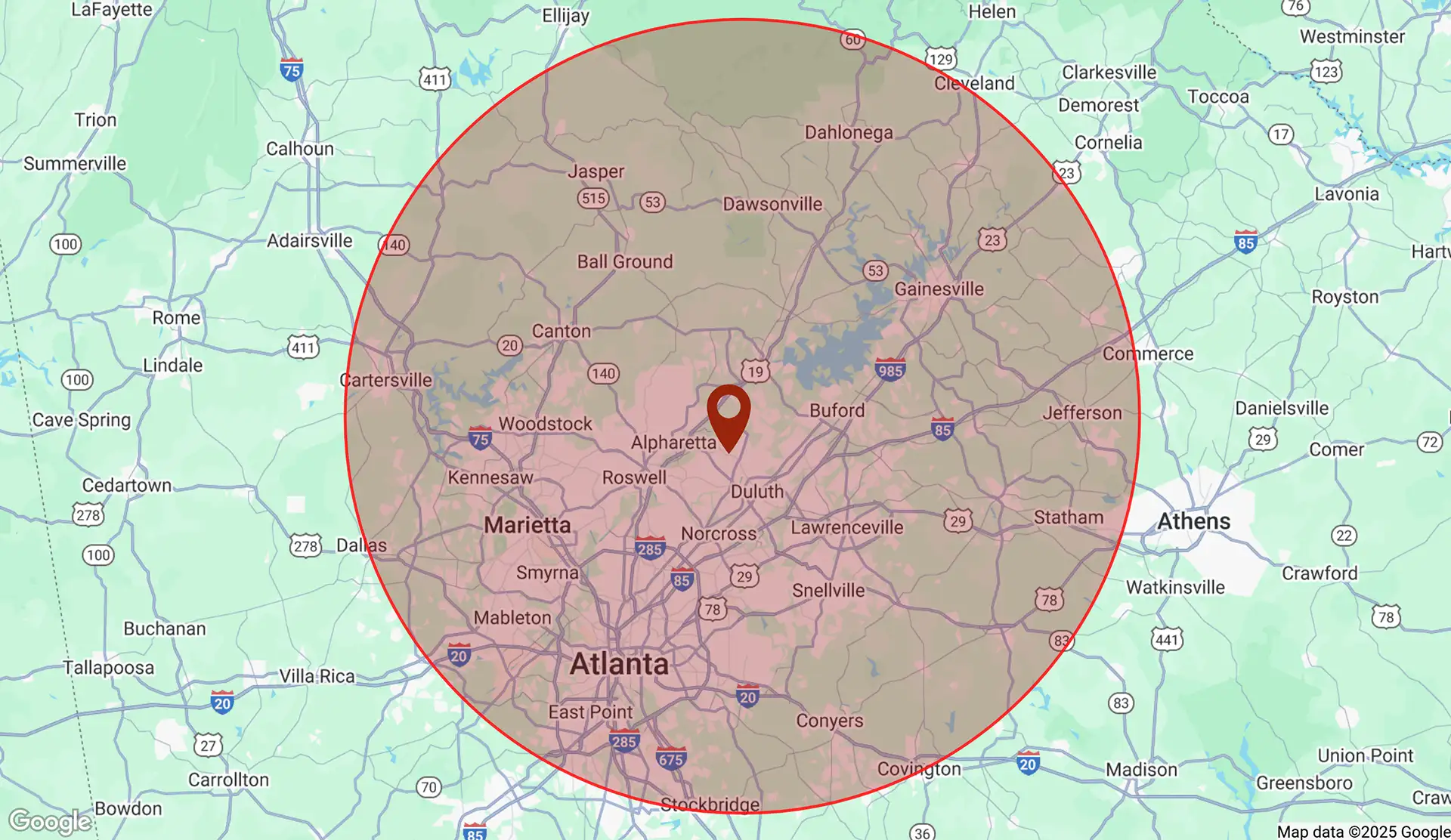
The answer starts with the culprit behind the water damage. Serving Metro Atlanta homeowners with water damage and restoration since 1989, Georgia Water & Fire Restoration knows how the source of water damage impacts your insurance claim.
In this guide, we’ll help you sort through the common coverage scenarios, where flood insurance comes in, and what you can do now to protect your claim.
What Standard Homeowners Insurance Covers After a Basement Flood
Does homeowners insurance cover basement flooding? It can, but the source and circumstances of the water damage matter. Your specific policy ultimately determines coverage.
When Homeowners Insurance WILL Pay: Sudden and Accidental Internal Water Sources
Standard homeowners insurance commonly covers sudden and accidental water damage from certain plumbing or appliance problems. Depending on the cause and your policy, that may include:
- Burst or frozen pipes
- Sudden water heater failures
- Washing machine or appliance overflows
When covered, the claim may include water removal, drying, repairs, and eligible belongings, subject to your deductible and policy limits.
When Homeowners Insurance Will NOT Pay: Excluded Water Sources
Water entering your basement from outside is usually treated differently than a sudden plumbing or appliance problem.
- Surface Water or Flooding: Rising water or stormwater entering your basement generally requires separate flood insurance.
- Groundwater Seepage: Water seeping through basement walls or the foundation after heavy rain is generally excluded from standard homeowners coverage.
- Sewer or Drain Backups: Water backing up through a sewer or drain often requires separate water backup coverage or an endorsement.
The Covered vs. Not Covered Quick-Reference Table
Use this as a quick reference, not a coverage guarantee. Your insurer will make the coverage determination based on the cause of the loss and the terms of your policy.
| Water Source | Standard Homeowners Coverage |
|---|---|
| Water from inside your home | |
| Burst pipe | Often covered if sudden and accidental |
| Failed water heater | Often covered if sudden and accidental |
| Washing machine overflow | Often covered if sudden and accidental |
| Water from outside or through drains | |
| Surface water or flooding | Generally not covered |
| Groundwater seeping through walls | Generally not covered |
| Sewer or drain backup | Usually requires added coverage |
| Storm surge or river flooding | Requires separate flood coverage |
Does Flood Insurance Cover a Flooded Basement?
What NFIP Flood Insurance Is and Who Needs It in Atlanta
The FEMA National Flood Insurance Program provides coverage for qualifying flood losses that standard homeowners insurance generally excludes, with policies available through participating insurers and agents. Because flood risk isn’t limited to high-risk zones, you can also use FEMA’s Flood Map Service Center to check your property’s flood zone by address.
What NFIP Actually Covers in a Basement: The Limitations
What If You're a Renter? Does Renters Insurance Cover a Flooded Basement?
What Renters Insurance Covers and What It Doesn't
What Renters Should Do Immediately After a Basement Flood
- Photograph damaged belongings before moving or discarding them.
- Notify your landlord in writing.
- Contact your insurer to report damaged belongings.
- Start drying wet materials promptly to limit further damage.
What to Do in the First Hours to Protect Your Insurance Claim
Once you find water in your basement, what you do in the first 60 minutes of a house flood can affect how much additional damage occurs and what documentation you have for your claim.
Step 1: Stop the Water Source and Make It Safe to Enter
Step 2: Document Everything Before Any Cleanup Begins
Step 3: Call Your Insurance Company and a Restoration Contractor
Report the loss promptly and ask your insurer what they need. You can still take reasonable steps to limit further damage rather than leaving standing water untouched while you wait for an adjuster.
Our basement flooding repair and cleanup team removes the water, dries affected areas, and documents the restoration work. If you need help right away, we offer 24/7 emergency restoration services across Metro Atlanta.
Common Mistakes That Get Basement Flood Claims Denied
1. Assuming All Water Damage Is Covered
A burst pipe and groundwater entering through a foundation can leave similar damage but fall under different coverage.
2. Cleaning Up Before Documenting
Take photos and video before moving belongings or removing damaged materials whenever it is safe to do so.
3. Waiting to Report the Damage
If you need to file a water damage insurance claim in Atlanta, report the loss promptly and provide the documentation your insurer requests.
4. Overlooking Sewer Backup Coverage
Sewer and drain backups are often excluded from standard homeowners policies unless you’ve added water backup coverage.
5. Letting the Basement Stay Wet
Standing water and damp materials can lead to additional damage. The EPA recommends drying water-damaged areas and items within 24 to 48 hours to help prevent mold growth.
Avoiding these 5 mistakes can help protect your claim, but you still need to address the water itself. If you’re wondering, “My basement flooded. What will insurance cover?” your policy will determine the answer, while Georgia Water & Fire Restoration focuses on removing the water, drying the affected areas, and getting your basement back to normal.
Contact Georgia Water and Fire
Flooded Basement Frequently Asked Questions (FAQs)
Does Homeowners Insurance Cover Water Damage From a Burst Pipe in the Basement?
Often, yes. If a pipe bursts suddenly and accidentally, homeowners insurance may cover the resulting water damage, including drying and repairs. Damage from an ongoing leak, poor maintenance, or another excluded cause may not be covered.
Will Insurance Pay if My Basement Flooded From Heavy Rain?
It depends on how the water entered your basement. Standard homeowners insurance generally does not cover rising surface water or groundwater seeping through the foundation. That type of flooding typically requires separate flood insurance, which may limit basement coverage.
Does Homeowners Insurance Cover a Sewer Backup?
Usually not under a standard homeowners policy. Sewer and drain backups commonly require separate water backup coverage or an endorsement, which may cover cleanup and damage up to your policy limits.
How Long Do I Have to File a Water Damage Insurance Claim?
Deadlines vary by policy and insurer. Report the damage as soon as reasonably possible and ask your insurer about filing deadlines and required documentation.
Do I Need to Wait for an Insurance Adjuster Before Cleaning Up My Flooded Basement?
Generally, no. Document the damage, contact your insurer, and take reasonable steps to prevent further damage, including removing standing water and starting the drying process when safe. Follow your insurer’s instructions and keep records of the cleanup.