
Waiting too long to act after a flood event can worsen the damage, especially during Atlanta’s storm season, where humidity can accelerate moisture and mold problems within days.
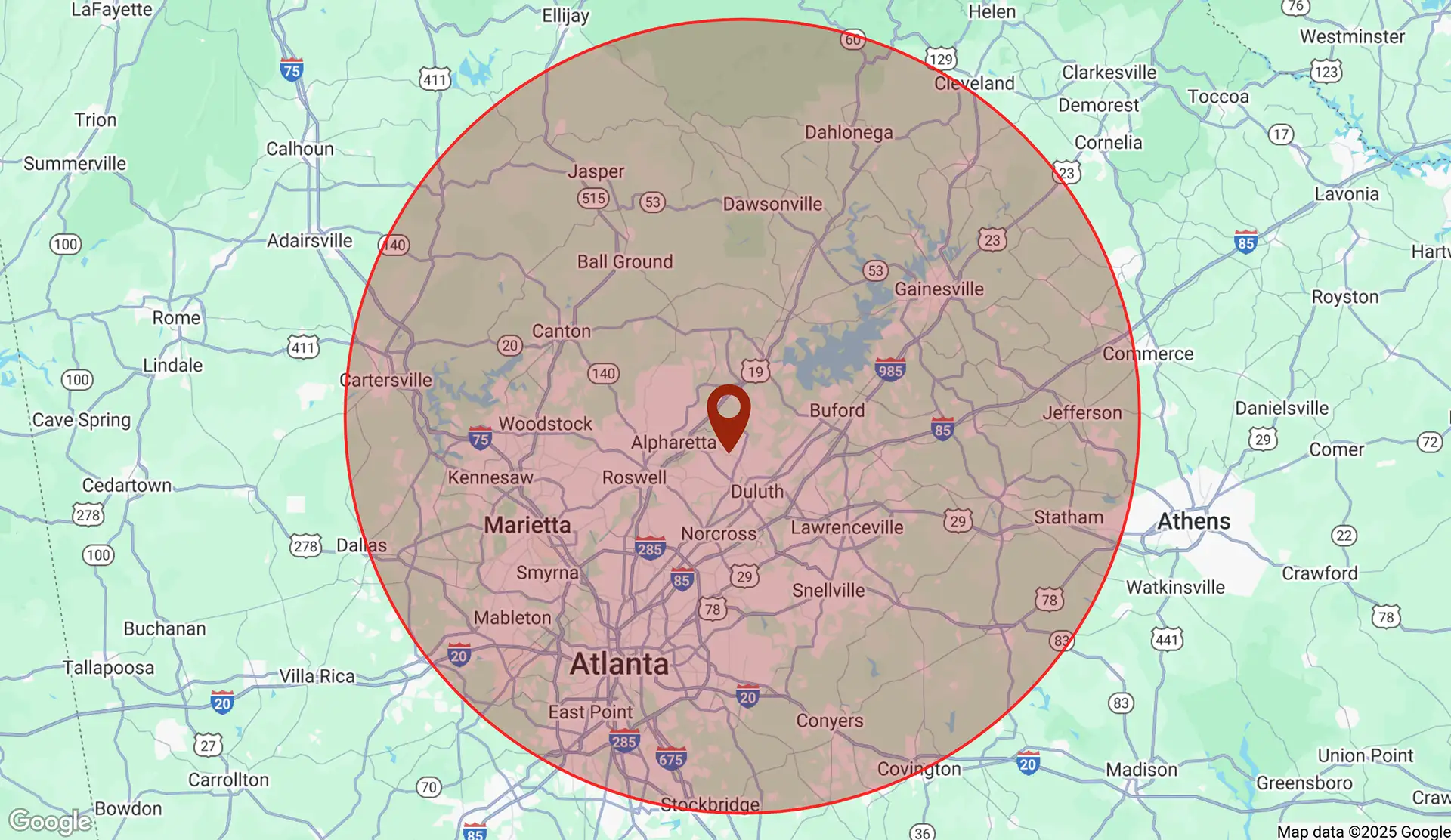
At Georgia Water & Fire, we help homeowners throughout metro Atlanta handle water emergencies caused by storms, burst pipes, appliance failures, and hidden leaks. As the area’s leading water damage restoration experts, we’re here to help Atlanta homeowners navigate complex water damage insurance claims. In this guide, we explain what to do after experiencing water damage, how to properly document it, how coverage works, and how our team can help you throughout the process.
Understanding Water Damage Coverage in Your Policy
One of the first frustrations many homeowners run into during a water-damage insurance claim is realizing that coverage often depends on how the damage occurred. Your policy may cover sudden and accidental water damage while excluding issues connected to long-term leaks, neglected maintenance, or flooding.
Atlanta’s weather can make water damage harder to contain. Heavy storms, sudden cold snaps, and year-round humidity encourage moisture problems to spread.
What’s Typically Covered
Most standard homeowners’ insurance policies usually cover sudden and accidental water damage, such as:
Burst pipes
Overflowing appliances
Storm-related roof leaks
Plumbing failures
Emergency drying and mitigation costs
Damaged drywall, flooring, cabinets, and belongings
Coverage limits, deductibles, and endorsements vary depending on your policy.
Common Exclusions to Know
Insurance companies commonly exclude water damage tied to long-term maintenance issues or preventable problems, including:
Gradual leaks
Flood damage typically requires separate flood insurance
Sewer backups without additional coverage
Neglected maintenance issues
Delayed reporting that allows secondary damage, like mold growth, to worsen
According to FEMA, flood damage is also typically excluded from standard homeowner insurance policies and often requires separate flood insurance coverage.
When You Should (and Shouldn’t) File a Claim
In some situations, filing a claim may help protect you from major repair costs. In others, handling the repairs yourself may avoid unnecessary complications if the damage is relatively minor. When asking yourself, “Should I file a home insurance claim for water damage?”, consider the size of the loss, your deductible, and even the likelihood of additional damage.
File When Damage Is Significant
Filing an insurance claim for water damage usually makes sense once the problem moves beyond a small cleanup or straightforward repair. What starts as a small leak can quickly turn into soaked drywall, warped flooring, or water spreading into nearby rooms, especially after a major Atlanta storm or an overnight pipe burst. Temporary housing or mold concerns may also be needed in more serious situations.
Consider Alternatives for Minor Damage
Smaller water issues do not always justify filing a claim, particularly when repair costs remain close to the deductible.
You may decide to pay out of pocket when:
Damage is isolated to one small area
Repairs are relatively inexpensive
Recent claims already exist on your policy
The issue can be corrected quickly before additional damage develops
Every insurance policy handles claims differently, so it’s important to review your coverage carefully before making a decision.
Step-by-Step Filing Process for Atlanta Residents
The first few steps after discovering water damage can affect both the cleanup process and your insurance claim. Acting quickly and documenting everything carefully can help prevent delays later.
Immediate Actions (First 24-48 Hours)
The goal during the first two days is to stop additional damage while documenting the situation before major cleanup begins.
Shut off the water source and avoid electrical hazards
Take photos and videos before cleanup starts
Move valuables away from standing water
Save receipts and damaged materials for the adjuster
Begin drying and mitigation to help reduce mold concerns
Report the incident to your insurance company
Depending on the extent of the damage, contact an emergency water damage professional to help stabilize the property while waiting for the adjuster’s inspection.
Working with Your Insurance Adjuster
At this stage, the insurance company begins to determine what may be covered, what documentation is still needed, and whether the damage is connected to an unexpected event or a longer-term issue.
During busy storm seasons in Atlanta, inspections may take longer due to claim volume and the severity of the weather event. Having photos, receipts, and mitigation records organized beforehand can help the process move more smoothly once the adjuster arrives.
Negotiating and Finalizing Your Settlement
Once the inspection is complete, the insurance company will usually provide a repair estimate and settlement breakdown. Before accepting the payout or approving repairs, review the estimate carefully to make sure it reflects the full scope of the damage.
If the settlement seems incomplete or lower than expected, additional contractor estimates may help support the claim and clarify what repairs are still needed. Professional residential water restoration services help document moisture concerns and align repairs with the insurance claim process.
Essential Documentation for Your Claim
Early documentation is essential to the water damage insurance claim process, as it creates a timeline of the damage and the steps taken afterward.
Visual Evidence Requirements
Take photos and videos before the major cleanup starts. Capture wide shots of affected rooms, close-ups of damaged materials and belongings, and, if possible, the source of the leak.
Video walkthroughs can also document how far the water spreads, especially when moisture reaches multiple rooms or moves behind walls and flooring.
Financial Documentation
Keep receipts, invoices, estimates, and insurance communication organized from the beginning.
Insurance companies may request records tied to mitigation work, temporary repairs, hotel stays, or damaged belongings while reviewing the claim.
Common Mistakes That Delay or Reduce Payouts
Small mistakes early in the process can create larger problems once the insurance company starts reviewing the claim.
Documentation Mistakes
One of the biggest mistakes homeowners make is waiting too long to document the damage before cleanup begins. Water damage can change quickly in Atlanta’s humidity, and missing photos, discarded materials, or incomplete records can make it harder to establish the original conditions later during the claim review process.
Process Mistakes
Don’t begin major repairs until the insurance company fully reviews the damage. It’s okay to contain the situation with emergency mitigation. But larger reconstruction work often requires adjuster approval first.
Special Situations: Mold, Multiple Causes, and Complex Claims
Mold damage or multiple-cause water damage often requires additional documentation and closer review from the insurance company.
Mold Coverage Complications
Insurance companies may cover mold when it develops directly from a sudden covered loss, such as a burst pipe. Problems usually start when insurers believe the moisture issue existed too long before mitigation began or was tied to an ongoing maintenance problem.
Multi-Cause Damage Scenarios
Some water damage claims become more complicated when both covered and non-covered issues are present.
This can include scenarios like:
A storm exposed an older roofing problem
A pipe leak revealing long-term moisture damage behind the walls
Water intrusion spreading into areas with previous repairs or hidden deterioration
These claims often require clearer timelines and stronger documentation because the insurance company may separate what they believe was caused by the sudden event from what may have already existed beforehand.
Georgia homeowners in areas like Cumming, Marietta, Sandy Springs, and Suwanee frequently deal with storm-related water losses, where hidden moisture and secondary damage continue to spread even after discovering the initial leak.
Get Water Damage Insurance Claim and Restoration Assistance
By the time water damage becomes obvious, moisture has often already spread into areas you cannot easily see. If you are dealing with active damage or a stressful water damage insurance claim, waiting too long to respond can quickly make the situation more expensive and harder to contain.
Georgia Water & Fire can help you act quickly before moisture problems spread even further. Whether it’s mitigation, documentation, or restoration, we’ve got all three covered and so much more.
Give us a call today or go online today to schedule your free assessment.
Frequently Asked Questions About Water Damage Restoration
How long do I have to file a water damage claim in Georgia?
Most Georgia homeowner policies require reporting within 30 days, but we recommend reporting as soon as possible. Waiting too long can create extra complications if the insurance company believes the damage worsened after it was discovered.
Will filing a water damage claim raise my insurance premiums?
It depends on the situation. Insurance companies review claim history, the size of the loss, and how often claims have been filed on the property before deciding whether premiums may change later.
Can I start the cleanup before the adjuster arrives?
Yes, and in many cases you should. Letting water sit too long can lead to larger moisture and mold problems. Make sure you take plenty of photos and videos before major cleanup or demolition begins.
What if my insurance company denies my claim?
A denial does not always mean the conversation is over. Some homeowners choose to provide additional documentation, request another review, or get contractor estimates to better explain the scope of the damage.
How much temporary housing coverage does insurance provide?
Many homeowner policies help cover hotel stays or temporary housing if the home is unsafe to live in during repairs. The amount available usually depends on the policy and the extent of the damage.