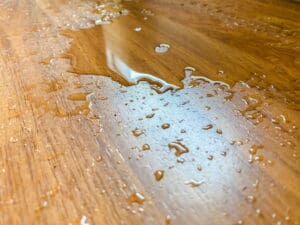
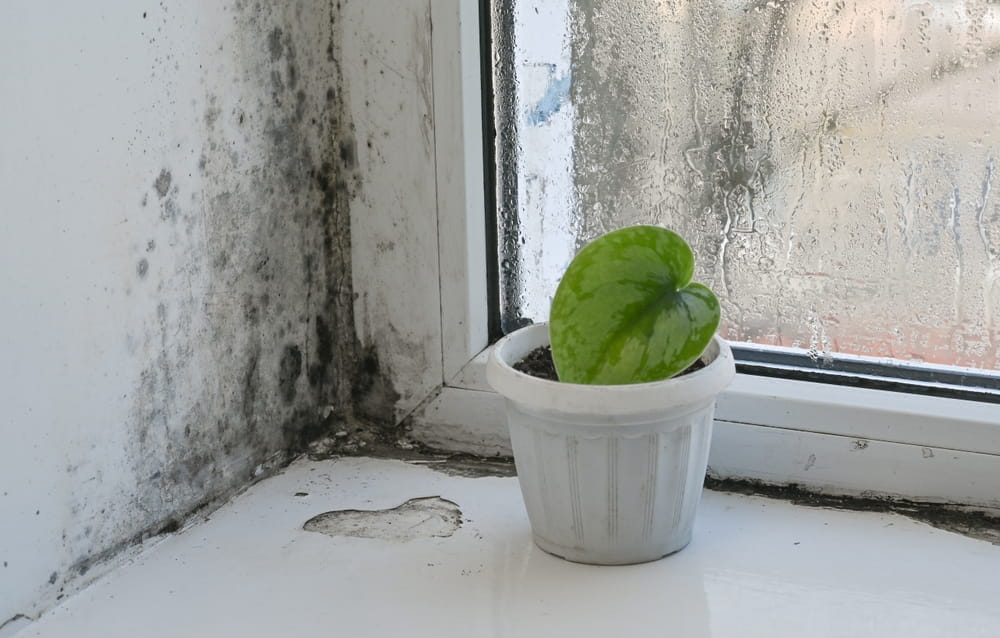
You walk into a room and catch a strange smell. It’s an earthy, damp smell that lingers in the air no matter how many times you open a window or light a candle. If you’ve recently dealt with a roof leak or burst pipe, it’s natural to wonder: what does mold smell like, and should you be concerned?
Atlanta’s warm, humid climate creates ideal conditions for mold growth. According to the EPA, mold can begin growing within 24 to 48 hours after moisture reaches a surface, so even a small leak can become a bigger problem if it’s ignored.
At Georgia Water and Fire, our team investigates mold problems every day, and one of the first clues is often a smell that homeowners can’t quite identify. Drawing on that experience, we’ll explain what mold smells like, why the odor develops, where it’s most likely to hide, and how to get rid of the musty smell in your house with professional help.
Mold has a musty, earthy smell that many people compare to a damp basement or wet soil. That odor comes from gases released as mold grows, and it often becomes noticeable before you ever see visible mold. If you notice a persistent musty smell in your Atlanta home, especially after water damage or in a damp area, mold could be hiding away in areas like behind a wall or under your flooring
What Black Mold Actually Smells Like
If you’ve never encountered mold before, describing the smell can be surprisingly tough. This is because the smell varies depending on where it’s growing and the materials it’s feeding on.
Common descriptions include:
Earthy or Musty: Similar to damp soil after a rainstorm or the scent of a forest floor.
Rotting Wood: Often noticeable when mold develops on framing, subfloors, or lumber, especially in crawl spaces after flooding.
Wet Cardboard or Paper: Common when mold begins growing onto drywall, insulation, or other cellulose-based building materials.
Stale, Heavy Air: The odor tends to linger and doesn’t disappear simply because you open windows or improve ventilation.
Faint Sour or Ammonia Notes: Certain mold species can produce slightly sour or ammonia-like odors that become stronger as colonies grow.
Mold releases microbial volatile organic compounds (mVOCs) as it grows. Compounds like geosmin and 1-octen-3-ol create the earthy odors people often notice before they ever see visible mold.
How Strong Is the Smell, and What Affects It?
A stronger smell doesn’t necessarily mean you have more mold. A small colony hidden inside a wall cavity can create a noticeable odor, while a much larger colony in a well-ventilated space may produce a less intense smell.
Several factors influence the strength of mold odors. Older or more active colonies often release more mVOCs, while warmer temperatures and humidity above 60% can increase those odors. During Atlanta’s hot summers, these conditions are common.
Air circulation also plays a role. If mold develops inside your HVAC system, the circulating air helps spread the odor throughout your home, making it seem like the smell is coming from every room even when mold is only growing in an isolated area.
Mold vs. Mildew — Is the Smell Different?
A musty smell doesn’t automatically mean mold. Mildew produces a similar odor, and the two are often confused because they both thrive in damp environments. The biggest difference is where they grow and how persistent the smell tends to be. Mildew usually stays on the surface, while mold can spread into porous materials, making the odor much harder to eliminate.
Category | Mildew | Mold |
Smell Intensity | Light, powdery, similar to a damp towel or dirty socks | Stronger, earthier, often compared to wet soil or a damp basement |
Surface vs. Deep Penetration | Stays on the surface of materials | Can grow deep into drywall, wood, insulation, and other porous materials |
Persistence After Cleaning | Often disappears after the area is cleaned and dried | Frequently returns because the source remains hidden beneath the surface |
If the smell disappears after cleaning and drying the area, mildew may have been the cause. If it keeps coming back, mold is more likely. Both thrive in Georgia’s humid climate, but mold can spread deeper into building materials if the moisture isn’t addressed.
When a Musty Smell Means Something Worse Than Mildew
A lingering musty smell is often a sign of something more than surface mildew. If the odor has spread to multiple rooms, is strongest near walls or beneath flooring, lingers after changing your HVAC filter, or appears alongside water stains, mold is more likely.
In Atlanta, the smell may also become stronger after summer rainstorms or periods of heavy AC use, when excess moisture allows hidden mold to continue growing inside walls, crawl spaces, or HVAC systems.
Can You Smell Mold Through Walls?
Yes. Mold releases mVOCs that can pass through small openings around drywall seams, baseboards, electrical outlets, and light switches, so you may notice a musty smell even when the wall appears perfectly normal. If the odor is strongest near an outlet or one section of wall, a slight draft carrying the smell can be a clue that mold is hidden inside the wall cavity and should be professionally evaluated.
Where the Smell Hides in Atlanta Homes
Once you’ve identified the smell as possible mold, the next step is figuring out where it’s coming from. In many Atlanta homes, mold develops in hidden areas where moisture lingers.
Crawl Spaces: Many Atlanta homes built before 1980 have vented crawl spaces where humid air, ground moisture, and aging vapor barriers create ideal conditions for mold growth.
HVAC Systems and Ductwork: Atlanta’s long cooling season creates condensation inside HVAC systems and ductwork. If mold develops there, your system can spread that musty smell throughout your home.
Bathrooms and Under Sinks: Slow leaks under sinks or around plumbing fixtures can create hidden mold, and the odor is often mistaken for a simple drain smell.
Attics: Poor ventilation and Georgia’s humidity can lead to condensation on roof sheathing, allowing mold to grow unnoticed until the smell reaches your living space.
Basements: Although less common in Atlanta, older homes in areas like Decatur, Marietta, and Stone Mountain can develop mold after heavy rain allows moisture to seep inside.
Behind Drywall After Flooding: Water trapped inside wall cavities after flooding or storm damage can lead to mold growth, with the musty smell sometimes taking two to four weeks to appear.
The “On and Off” Smell — Why Mold Odor Comes and Goes
One of the trickiest things about mold is that the smell isn’t always consistent. It often becomes stronger after thunderstorms or on especially humid days, then fades when the air dries out. That doesn’t mean the mold is gone.
In Atlanta, this pattern is especially common from July through September, and a smell that comes and goes with the weather is often a sign that moisture is still feeding hidden mold somewhere in your home.
When You Stop Noticing the Smell (Olfactory Fatigue)
Your sense of smell naturally adapts to odors over time, a phenomenon known as olfactory fatigue. After weeks or months of exposure, you may stop noticing a musty smell even though it’s still there.
That’s why visitors often notice a musty smell in the house the moment they walk in while you don’t. If a guest points out a persistent musty smell, don’t brush it off. A professional water damage restoration company will use moisture meters and air sampling because the nose is less reliable the longer the smell sticks around.
What to Do If You Smell Mold in Your Atlanta Home
If you’ve noticed a persistent musty smell, don’t panic. But don’t ignore it either. A few simple steps can help you narrow down the cause and decide when it’s time to bring in a professional.
Don’t Ignore It Or Mask It
Air fresheners, scented candles, and even dehumidifiers may reduce the odor temporarily, but they won’t eliminate the mold causing it. If the smell keeps coming back, it’s time to investigate instead of covering it up.Identify The Moisture Source First
Mold needs moisture to grow, so finding the source is just as important as addressing the mold itself. Check for leaking pipes, roof leaks, HVAC condensation, or foundation seepage. Inspect your crawl space for standing water or a damaged vapor barrier after heavy rain.Avoid Disturbing Suspected Mold
Scrubbing visible mold or cutting into drywall without the proper precautions can release spores into the air and spread contamination. The EPA recommends professional remediation for mold covering more than 10 square feet, making it safer to have larger problems evaluated before attempting cleanup.Schedule A Professional Mold Assessment
A musty smell tells you something may be wrong, but it doesn’t reveal where the mold is hiding or how extensive it is. A professional assessment uses moisture meters and other tools to locate the source so you know exactly what you’re dealing with before making repair decisions.Work With A Certified Remediation Company
Once the source has been identified, choose an IICRC-certified water damage restoration company that follows industry standards for mold remediation. At Georgia Water and Fire, we address both the mold and the moisture that caused it, with emergency restoration services available when water damage is involved.
Can You Remove Mold Smell Yourself?
Surface mildew on tile, glass, or other non-porous materials can often be cleaned with an EPA-registered antifungal cleaner. If the odor is coming from drywall, wood, insulation, or inside your HVAC system, the mold is usually beyond DIY cleaning. This is especially the case for larger areas, usually exceeding 10 square feet. So if that’s what you’re facing, it’s time to call the pros.
How Long Does Mold Remediation Take in Atlanta?
Surface mold may take a day to address, while remediation in one contained room often takes one to three days. Larger projects involving walls or crawl spaces can take three to seven days or longer, especially with Atlanta’s humidity slowing the drying process.
Post-remediation air testing can help confirm the affected area has been properly cleaned before repairs are completed.
Concerned About a Musty Smell?
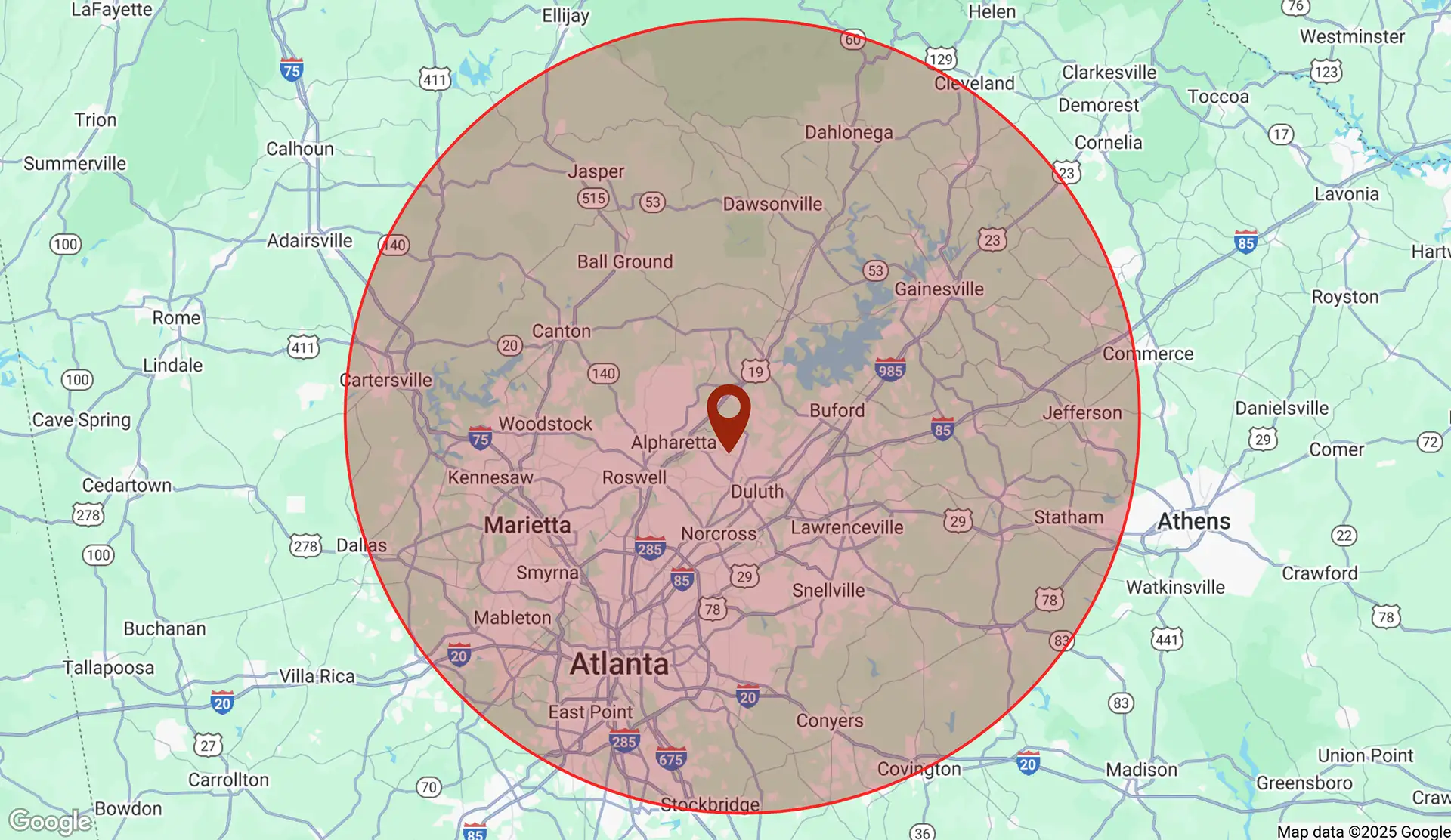
Georgia Water and Fire helps homeowners throughout Metro Atlanta locate hidden mold, address the moisture causing it, and restore homes after water damage. Reach out today to schedule an inspection and get professional mold remediation in Atlanta.
Frequently Asked Questions About Black Mold
What does black mold smell like specifically?
Black mold is commonly described as smelling earthy, musty, or similar to a damp basement. Some people also compare it to wet soil or rotting wood. While the smell can suggest mold is present, it doesn’t necessarily tell you which type of mold you’re dealing with.
Is a musty smell always mold?
Not necessarily. Mildew, dirty HVAC components, and even lingering moisture can create similar odors. If the smell keeps coming back or started after a water issue, call a professional mold remediation company for help.
Can mold make you sick before you see it?
It can. According to the CDC, mold exposure may cause symptoms like nasal congestion, coughing, throat irritation, or itchy eyes in some people, even before visible mold appears. Schedule an inspection if you notice symptoms alongside a persistent musty smell.
How do I tell if mold is behind my walls?
A musty smell that seems to come from one wall, along with water stains, peeling paint, or soft drywall, can all point to hidden mold. Since you can’t see inside the wall, a professional inspection is usually the fastest way to confirm what’s going on.
Should I call a professional or test for mold myself?
Home mold test kits can tell you that mold may be present, but they rarely tell you where it’s growing or how extensive the problem is. If the smell won’t go away or you’ve recently had water damage, a professional assessment can give you clearer answers.