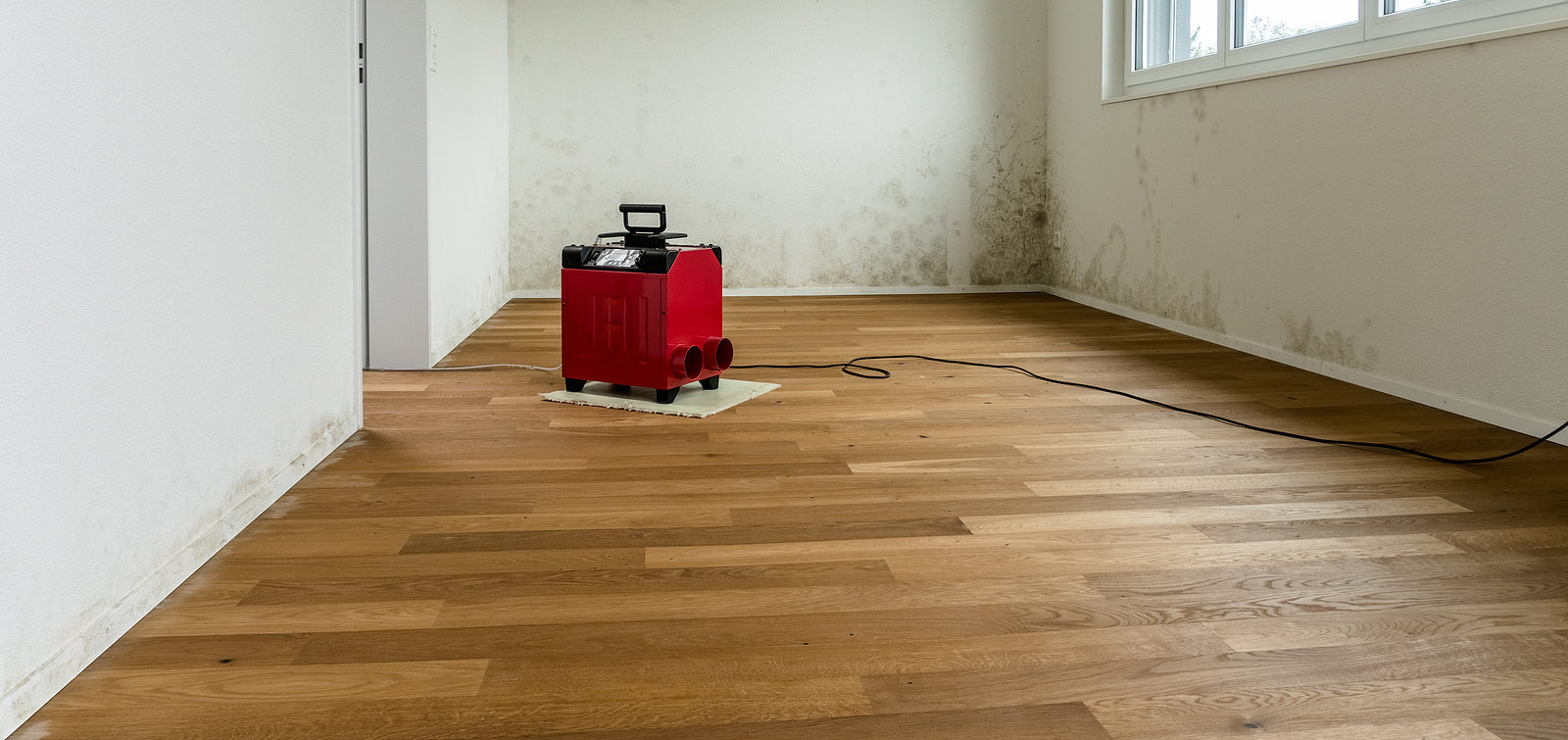
You walk into your home and hear it before you see it. Maybe it’s a burst pipe overnight or stormwater pushing into your Midtown basement. Either way, the question hits fast: how long does water damage restoration take?
Most water damage restoration jobs take about 3 to 7 days to dry out, with repairs often taking a few weeks after that. The exact timeline depends on the severity of the damage, what type of water you’re dealing with, and how quickly the cleanup starts. In Atlanta, the region’s humidity can slow things down if the drying process is not handled properly.
In this guide, we’ll walk through the water damage restoration process together, breaking down the timeline and the factors that affect it.
Understanding the Water Damage Restoration Process
Let’s start by distinguishing between mitigation and restoration.
- Mitigation is the first step and focuses on stopping the damage and drying the space.
- Water damage restoration comes after and covers repairs like replacing drywall, flooring, or structural components.
The type of water affects how long water damage restoration takes:
- Clean Water: The simplest to handle and usually the quickest to dry
- Gray Water: Contains some contaminants and requires more thorough cleanup
- Black Water: Includes sewage and other bacteria that require stricter safety measures and a more complex process
In Atlanta homes, humidity creates an additional challenge. Even with the right professional equipment, moisture can take longer to clear from the air, which may prolong the drying process if not handled correctly.
Water Damage Restoration Timeline: Phase by Phase
Phase 1 — Emergency Response (Within Hours)
Fast action makes a critical difference in the water damage restoration process. Bring in an emergency water restoration team to contain the damage, rather than letting it spread into areas that take longer to dry and cost more to fix.
While you wait for the professionals to arrive, you should:
- Shut off the water source if possible
- Document damage for insurance
- Move valuables out of affected areas
Tip: Avoid using household fans or basic equipment, as improper drying may only drive moisture deeper into materials and cause more serious issues later.
Phase 2 — Water Extraction (1–8 Hours)
Once the damage is under control, the focus shifts to removing standing water using specialized equipment such as truck-mounted pumps and industrial vacuums.
- A small, contained area can be cleared quickly, while water that has spread across multiple rooms or pooled will take longer to clear.
- Flooring also plays a role. Tile allows for faster removal, while carpet and padding tend to hold onto moisture.
- If the water is contaminated, added safety steps can extend this phase slightly.
Phase 3 — Structural Drying (3–7 Days)
Moisture lingers inside materials long after the surface looks fine. Water damage restoration professionals dry these structures using:
- Air movers to circulate air and speed evaporation
- Dehumidifiers to pull moisture out of the air
- Moisture meters to track progress daily
In many Atlanta homes, this phase can extend because humidity slows evaporation. Removing equipment too early is one of the most common mistakes and often leads to lingering moisture problems.
For smaller, less saturated areas, drying will take closer to the minimum of 3 days, while extensive damage can push the timeline beyond a week.
Phase 4 — Cleanup & Disinfection (1–2 Days)
Not all water is clean, and even small traces of contamination can remain on surfaces and inside materials.
If your home has been contaminated by gray or black water, an antimicrobial treatment will be applied to thoroughly clean the affected areas. The goal is not just to improve appearance, but to make the area safe again. In many cases, this work overlaps with drying, so the process continues without slowing things down.
Phase 5 — Material Removal, If Necessary (1–5 Days)
Depending on the extent of the damage and whether or not the water was contaminated, sections of drywall, insulation, carpet, or subfloor may need to be removed. The scope can vary quite a bit, from a small cutout behind a wall to the removal of flooring across an entire room.
Phase 6 — Repairs & Full Restoration (2–8 Weeks)
Repairs can be straightforward, like replacing drywall and reinstalling flooring, or more involved if structural elements were affected. Scheduling, material availability, and insurance approvals all influence how long this stage takes.
Having a team that handles both mitigation and reconstruction helps expedite this step and maintain consistent quality throughout the project.
Phase 7 — Final Inspection & Documentation (1 Day)
Before wrapping up, everything is checked one more time. Moisture readings are taken to confirm that any affected materials have returned to safe levels.
You will also receive documentation outlining what was done, which helps support your insurance claim. Having clear records helps close things out properly and avoids questions later on.
Factors That Affect How Long Water Damage Restoration Takes
The main factors that affect the water damage restoration timeline include:
- Water Damage Category (1–3)
Clean water is usually the simplest to handle, while gray or black water requires more thorough cleanup and added safety precautions. - Water Damage Class (1–4)
The deeper the water has worked into the materials, the longer it takes to fully dry. - Size Of The Affected Area
A small bathroom issue can be handled fairly quickly, but a flooded basement is a much larger project. - Material Types
Different materials hold and release moisture at different rates, which can affect how long drying takes. - Atlanta’s Humidity
With Atlanta’s humidity, moisture tends to linger in the air longer, even with professional drying equipment. - Response Time
Acting quickly helps limit the extent of the damage, while delays usually lead to longer drying and repair times. - Insurance Process
Approvals and inspections can take time, which may delay repairs from moving forward.
What Happens If Water Damage Is Not Addressed Quickly?
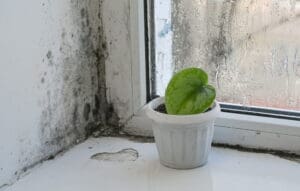
Within the first day or two of water damage, conditions can shift, and mold can begin to grow. Materials like drywall and wood begin to weaken, warp, or deteriorate. What might have been a straightforward drying job can turn into removal and reconstruction.
You should also consider your insurance claim. Most policies expect prompt action, and delays can complicate coverage. Acting early keeps the scope smaller and the process more manageable.
When To Call A Professional Water Damage Restoration Company In Atlanta
Knowing when to bring in a professional can prevent you from making DIY mistakes that could harm your health and property.
Call a professional if:
- Water is covering more than a small, contained area
- It has been sitting for a day or more
- You are not sure what type of water you are dealing with
- You notice a musty smell, discoloration, or soft spots
- Your HVAC system was running while it happened
- You are planning to file an insurance claim and want proper documentation
At Georgia Water & Fire, our focus goes beyond surface drying. Our team uses advanced equipment and trusted techniques to locate hidden moisture and remove it right away. Our goal is to restore your property and your peace of mind by preventing issues from resurfacing after our team has left.
Frequently Asked Questions About Water Damage Restoration
How long does water damage restoration take?
Most projects take about 3 to 7 days for drying, followed by 1 to 6 weeks for full repairs. More severe damage can extend beyond that, depending on the scope.
How long does it take for water damage to dry?
Drying typically takes 3 to 7 days with professional equipment. Surface dryness can happen faster, but full structural drying takes longer.
Can I speed up the drying process?
You can help by removing wet items and improving airflow, but there are limits to what household fans and dehumidifiers can do. Professional equipment is designed to remove moisture from materials, not just from the air.
When does water damage become a mold problem?
It can happen sooner than most would expect. Under the right conditions, mold can begin to form within 24 to 48 hours if moisture is left untreated.
Does homeowner’s insurance cover water damage restoration?
Most policies cover sudden issues like burst pipes, but exclude flooding or neglect-related leaks. Coverage depends on your policy, so having proper documentation of the damage early on helps avoid headaches later on.
How do I know when everything is fully dry?
Professional water damage restoration teams use tools to measure moisture levels within materials, the only way to confirm everything is actually dry.