Searches for sewage backup cleanup in Atlanta usually happen when it’s too late—when you are trying to figure out what you are dealing with and how fast you need to act. Especially with the region’s heat and humidity, sewage issues can accelerate quickly and create serious health risks inside your home.
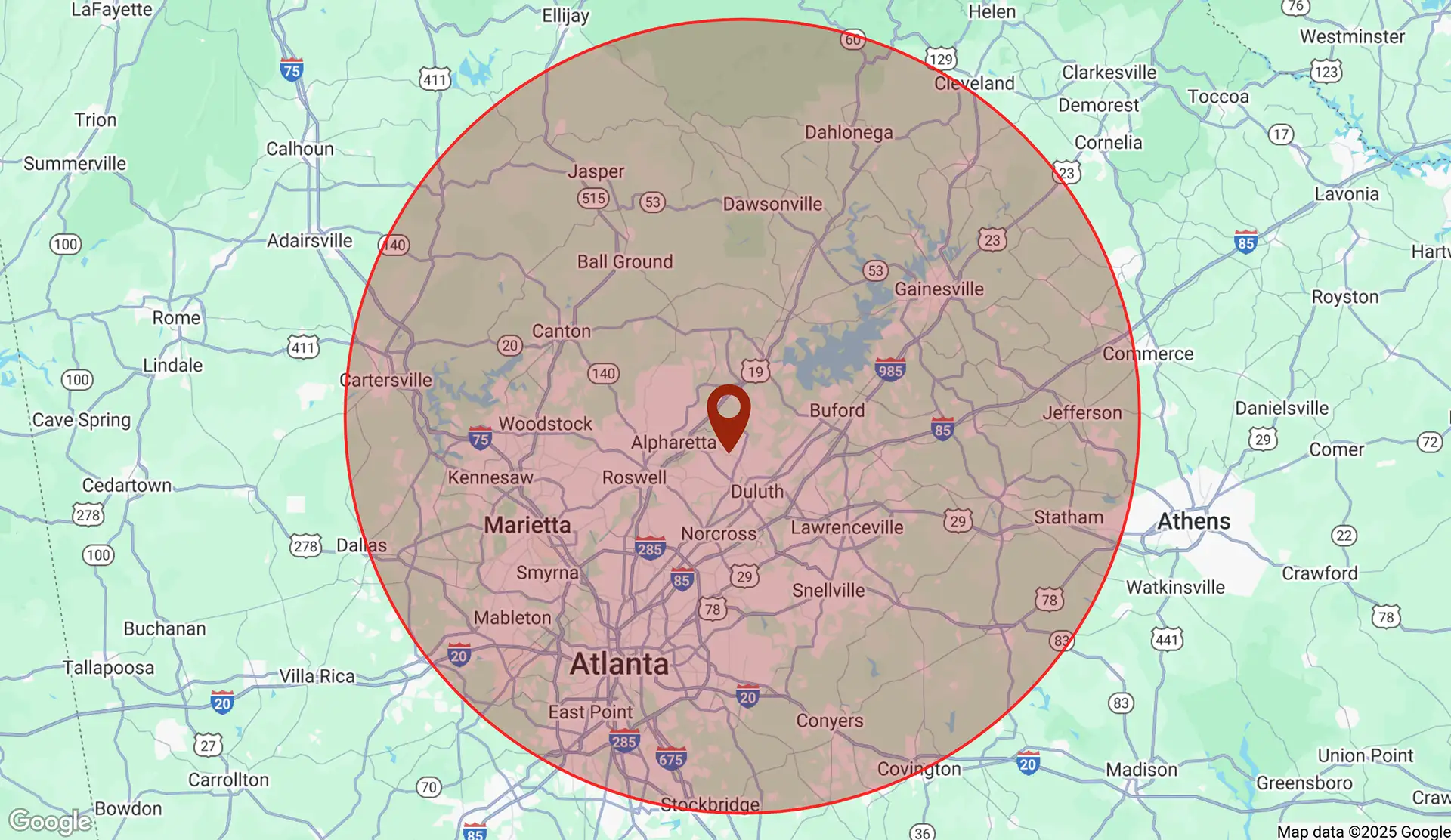
At Georgia Water & Fire Restoration, we have responded to sewage emergencies across metro Atlanta for decades, from older homes in Decatur to properties dealing with overwhelmed drainage systems after heavy storms. We’ve seen firsthand how quickly contamination can escalate once backups begin.
In this guide, we break down the sewage backup cleanup in Atlanta, GA, the associated risks, and the steps you can take to protect your health and your property.
What Is Sewage Backup and Why It Happens in Atlanta
Sewage backup falls under water damage, but it is handled very differently from a clean leak or a typical flood. Sewage carries waste, bacteria, and other contaminants that can spread quickly across flooring and even into the air if not handled properly.
Many backups are tied to how a home connects to the sewer system or how the ground and infrastructure respond after heavy rain.
Here’s why sewage backups happen:
Aging Sewer Lines
Many homes across metro Atlanta were built decades ago, and those original sewer lines are still in use. Over time, pipes can weaken, shift, or partially collapse, which slows drainage and creates the conditions for a backup.Stormwater Overload
After a stretch of heavy rain, the system can only handle so much at once. When that limit is reached, pressure builds, and wastewater can push back toward the home rather than away from it.Tree Root Intrusion
Tree roots naturally grow toward moisture, and sewer lines provide a steady source. Once roots break into a pipe, they can restrict flow and trap debris, which often leads to recurring issues.
In many cases, the early signs resemble issues that lead to basement flooding repairs. But the key difference is that sewage water is contaminated and requires specialized cleanup.
Common Causes in Metro Atlanta Homes
If you are trying to narrow down what might be behind a backup, these are usually the underlying issues:
Older sewer lines that have shifted, cracked, or partially collapsed
Drainage systems overwhelmed after heavy rainfall
Tree roots interfering with underground pipes and restricting flow
Warning Signs Before a Major Backup
More than one drain is backing up at the same time
Gurgling sounds coming from toilets or sinks
A persistent sewage smell, especially near lower-level drains
Immediate Health Risks of Sewage Exposure
Once sewage enters your home, the concern shifts from where it came from to what it can do to your health. This type of water is hazardous because it carries bacteria, viruses, and other contaminants that are not safe to be around without proper protection.
Because of that, emergency sewage cleanup follows the protocols used in biohazard services, in which contamination must be fully contained and properly removed.
Immediate Sewage Backup Health Risks (0-24 Hours)
Gastrointestinal Illness
Exposure to bacteria such as E. coli or Salmonella can lead to nausea, stomach pain, and other digestive issues within a short period of time.Respiratory Irritation
As contaminated water sits, it can release particles into the air. Breathing in those particles may cause irritation, especially in enclosed or poorly ventilated areas.Skin And Eye Irritation
Direct contact with sewage water can cause rashes or infections that can become more serious if not properly treated.
Long-Term Health Complications
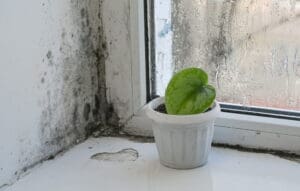
Moisture left behind can lead to mold growth that affects breathing over time, while continued exposure to contaminated materials can weaken the body’s ability to fight off illness. Even small cuts can become infected if they come into contact with sewage water.
Emergency Steps to Take During a Sewage Backup
Responding quickly to sewage backups can help limit how far contamination spreads and reduce the risk of further damage.
Immediate Safety Measures
Shut Off Electricity To Affected Areas
If water is near outlets or appliances, turning off the power helps reduce the risk of electrical hazards.Evacuate The Contaminated Area
Keep family members and pets away from the space. Limiting exposure early on can prevent unnecessary health risks.Document The Damage Safely
Taking photos from a distance can help with insurance documentation later, without putting you at risk.Call For Professional Help Immediately
Our emergency restoration services team is available 24/7 across metro Atlanta.
What NOT to Touch or Attempt
Trying to clean it yourself often spreads contamination.
Avoid using household cleaners to try to disinfect the area
Do not walk through contaminated water without protection
Do not use plumbing fixtures connected to the affected system
Why Professional Sewage Cleanup Is Critical
Without the right process and safety equipment, sewage backup contamination can be left behind, causing ongoing issues. Professional sewage backup cleanup in Atlanta ensures your space is properly cleaned and restored.
Working with a trained team also helps with insurance claims in the event of property damage. Clear documentation of what was affected and how it was handled can help avoid delays during the claims process, which is something many homeowners look for when reading through reviews before deciding who to call.
Specialized Equipment Requirements
Emergency sewage cleanup requires specialized equipment:
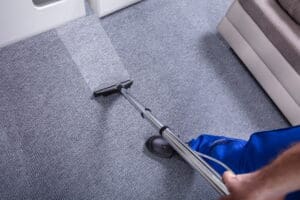
Industrial extraction systems that remove standing water and debris
Disinfection methods designed to eliminate harmful bacteria and pathogens
Air filtration and drying equipment that helps prevent moisture from lingering
Health Code Compliance in Atlanta
Sewage backup cleanup in Atlanta must meet strict health and safety standards because contaminated materials cannot simply be dried and left in place. Materials like drywall and flooring often need to be removed and disposed of to prevent bacteria from lingering.
In Atlanta, cleanup follows state and industry standards, with proper containment, safe disposal, and documentation that supports insurance claims.
Professional Sewage Cleanup Process in Atlanta
By the time homeowners start searching for sewage backup cleanup services in Atlanta, Georgia it is usually because they need help fast. Our broader emergency residential water restoration services address contamination that has spread beyond a single area. Each step is handled carefully so you aren’t facing recurring exposure.
Assessment and Containment (Hours 1-2)
The first step is figuring out how far the contamination has spread, including visible damage, air quality, and materials that may need to be removed. From there, containment barriers are set up to isolate the area and prevent the problem from spreading to other parts of the home.
Extraction and Sanitization (Days 1-3)
Once the area is contained, the focus shifts to removing contaminated water and debris, followed by a thorough disinfection process to address harmful bacteria. Drying equipment runs alongside this step to remove moisture from floors, walls, and structural materials, with everything monitored along the way.
Restoration and Prevention (Days 3-7)
After the space has been cleaned and dried, the final step is restoring the area. Some materials can be saved, while others need to be replaced depending on the extent of contamination. From there, attention turns to prevention, which might include recommending a backflow device to help keep wastewater from re-entering the home.
Prevention and Next Steps for Atlanta Homeowners
In most cases, catching sewage issues early limits the amount of repairs needed, minimizing sewage cleanup costs in Atlanta.
Regular Maintenance Schedule
Staying ahead of potential issues can make a meaningful difference over time. A lot of these problems show early signs if you know what to watch for.
Annual sewer line inspections can help spot cracks or blockages before they turn into backups
Keeping an eye on tree growth near sewer lines can reduce the risk of root intrusion
Addressing slow drains or unusual sounds early can prevent pressure from building in the system
Insurance and Documentation Best Practices
Many standard homeowner policies do not include sewage backup damage without a specific endorsement, so it’s worth reviewing your coverage ahead of time. Documentation can shape how smoothly the claim process goes, so having photos and a clear record of what was affected and how it was handled will minimize delays and back-and-forth with adjusters.
Frequently Asked Questions About Sewage Backup in Atlanta
How quickly should sewage backup be cleaned up in Atlanta’s humid climate?
As soon as possible. With Atlanta’s humidity, things don’t stay contained for long, and the longer they sit, the more likely they are to spread or develop mold.
Does homeowner’s insurance cover sewage backup cleanup in Georgia?
It depends on your policy. Most standard plans don’t include it by default, so it usually depends on whether you added extra coverage ahead of time.
Can I clean up a small sewage backup myself?
It might look manageable at first, but what you see on the surface is rarely the full picture. Even smaller backups can leave contamination behind if not handled properly.
How long does professional sewage cleanup take in Atlanta?
Most projects take a few days to a week, depending on how far the contamination has spread. The timeline can vary based on what materials were affected and how quickly the area can be dried and restored.
What should I do while waiting for sewage cleanup professionals to arrive?
Stay out of the affected area, avoid contact with the water, and turn off electricity if it’s safe to do so. If you can, take a few photos from a distance for documentation, but it’s best to leave everything else alone.